

6 Ways to Keep Bugs Out of Your House This Fall
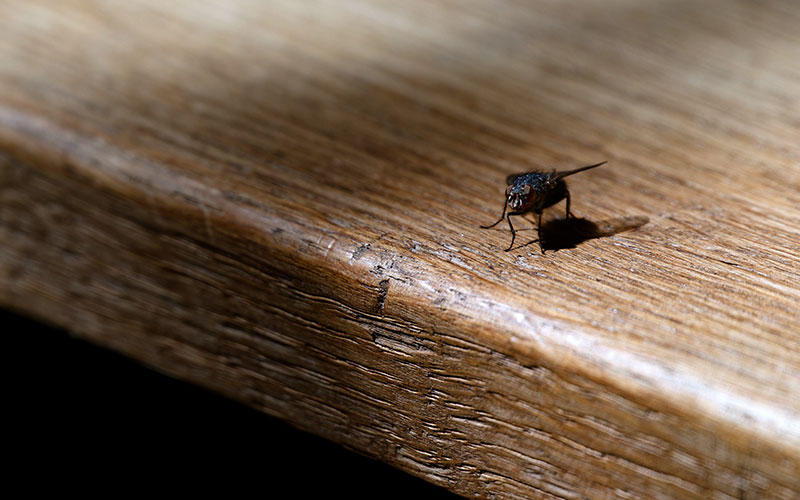
As temperatures drop, some insects start looking for protected places to spend the winter. Here’s how to make your home harder to enter and less inviting.
Fall changes the pest equation. As temperatures drop, some insects begin looking for sheltered places to spend the winter, and small cracks, gaps, damp areas, and outdoor debris can make a home an appealing target. Brown marmorated stink bugs, cluster flies, and boxelder bugs are among the insects known to seek protected overwintering sites in and around buildings. You can’t keep every insect outside, but a few simple steps can make your house harder to enter and less inviting once the weather turns cold.
Clean Up Your Yard
Start outside. Leaves, decaying vegetation, firewood, mulch, and other debris close to the foundation can provide shelter for insects and other pests. Keeping this material away from the house reduces potential hiding places immediately around the structure.
It’s also worth checking plants that touch the house. Trim branches and vegetation that are growing against siding, windows, doors, or other parts of the structure. Just be careful with major pruning: the best time to prune depends on the particular plant, and some shrubs are better pruned in spring or immediately after flowering rather than in fall.
You don’t need to strip your flowerbeds bare. The goal is simply to avoid creating a dense, damp layer of plant material and debris right against your home’s foundation.
Related: How to Get Rid of Stink Bugs Naturally and Keep Them Out for Good
Seal Up Cracks and Entry Points
A tiny opening can be all an insect needs to get inside. Before winter arrives, walk around the outside of your house and look closely at areas where different materials meet.
Pay particular attention to:
- Cracks around windows and doors
- Gaps around pipes and utility lines
- Openings around siding and trim
- Foundation cracks
- Damaged window or door screens
- Gaps around vents
- Garage-door edges
- Spaces around chimneys and other exterior penetrations
Sealing these openings is one of the most reliable ways to prevent fall nuisance insects from getting indoors. Penn State Extension specifically recommends sealing cracks and openings around windows, doors, siding, utility pipes, and other potential entry points, along with repairing damaged screens.
Use an appropriate exterior caulk or sealant for small gaps and a suitable durable material for larger openings. Don’t assume one material is right for every crack.
Also check your door sweeps and weatherstripping. If you can see daylight underneath an exterior door or around its edges, you’ve found a potential entry point worth addressing.
Check Your Plumbing and Moisture
Moisture can make an area more favorable to certain household pests, so fixing leaks is an important part of general pest prevention. Penn State Extension recommends fixing leaky pipes and faucets, while other extension guidance recommends reducing excess moisture around and inside the home.
Check underneath sinks, around faucets, near appliances, and anywhere plumbing passes through walls or floors. Don’t overlook basements, crawl spaces, or other areas that stay damp.
Also get rid of water that sits around the house. Empty plant saucers regularly and check drip trays and other places where water can collect.
If you frequently find moisture-loving pests such as sowbugs or millipedes indoors, take that as a reason to look for excess moisture rather than simply treating the insects themselves. Extension guidance notes that these pests are often associated with damp conditions and recommends reducing moisture along with sealing exterior entry points.
Clean Out Your Gutters
Fall leaves can quickly clog gutters and downspouts, preventing rainwater from moving away from your house as it should. Keeping your gutters and downspouts clear helps direct water away from the foundation and reduces unnecessary moisture around the home.
After cleaning the gutters, check where the downspouts discharge. Water should be directed away from the foundation rather than allowed to collect beside the house.
This isn’t just a pest issue. Good drainage is basic home maintenance, and reducing excess moisture can also help make the area around your foundation less favorable to moisture-associated pests.
If gutter cleaning requires climbing onto a roof or an unsafe ladder setup, hire someone to do it rather than taking the risk yourself.
Stack Your Wood Strategically
Firewood belongs outside, but where you put it matters.
A woodpile directly against the house gives insects an easy place to shelter right next to the structure. Extension guidance recommends keeping firewood away from buildings, while also removing other wooden debris and materials from around the home.
Whenever practical, stack firewood off the ground and away from exterior walls. Keeping the pile dry and reasonably well ventilated also helps prevent moisture from building up in the wood.
Try not to create an indoor firewood pile, either. Bring in only the amount you expect to burn rather than storing a large quantity of firewood inside. Wood can harbor insects, including wood cockroaches and other pests that can be transported indoors with the logs.
Related: 10 Types of Firewood You Should Never Burn (and What to Use Instead)
Reduce Paper and Cardboard Clutter
Paper and cardboard can provide food or shelter for some household pests, especially when they’re left undisturbed in damp storage areas. Termites, for example, feed on paper as well as wood, while cluttered, humid storage areas can provide favorable conditions for pests such as silverfish.
That doesn’t mean you need to throw away every old magazine or your child’s artwork. Instead, keep storage areas dry and organized.
Recycle cardboard you no longer need, avoid leaving piles of paper sitting directly on damp basement or garage floors, and use appropriate storage containers for important papers that need to be kept long term.
Pay particular attention to dark, rarely disturbed areas such as basements, garages, attics, and storage closets. Keeping these spaces dry, clean, and easy to inspect makes it easier to spot moisture problems and pest activity before they become bigger problems.
Make Your Home Less Inviting to Fall Pests
The best fall pest prevention strategy isn’t necessarily about reaching for a spray. Start by making your home difficult to enter and removing the conditions that can make it attractive to pests.
Before winter sets in, walk around your property and:
- Clear leaves and plant debris away from the foundation.
- Keep vegetation from touching the house.
- Seal cracks and gaps around doors, windows, pipes, and utility lines.
- Repair damaged screens and check door sweeps.
- Fix plumbing leaks and other sources of excess moisture.
- Clean gutters and make sure downspouts move water away from the foundation.
- Store firewood off the ground and away from the house.
- Reduce damp, undisturbed paper and cardboard clutter.
These simple maintenance jobs won’t guarantee a completely bug-free house, but they can remove many of the easy opportunities pests use to get inside and settle in for the colder months. Mechanical exclusion, sanitation, moisture control, and other non-chemical measures are central parts of integrated pest management.