
How to Get Rid of Stink Bugs Naturally and Keep Them Out for Good
Practical, nontoxic methods to prevent stink bugs and protect your home year-round.
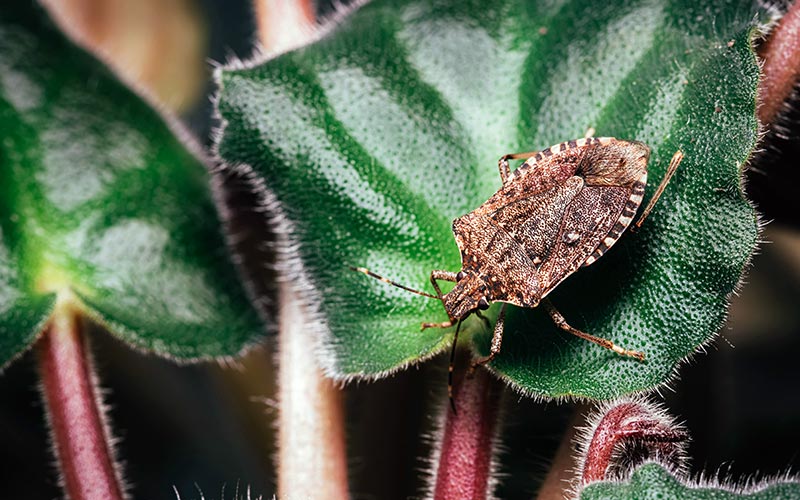
These days, stink bugs are a common nuisance in many parts of the United States, especially across the Mid-Atlantic and Northeast. The brown marmorated stink bug, an invasive species first identified in Allentown, Pennsylvania in 1998, has spread to dozens of states and continues to be a serious agricultural pest.
They’re not just a problem for farmers. Homeowners deal with recurring infestations every fall as these insects look for a warm place to spend the winter. While chemical pesticides are sometimes used outdoors, they are not recommended for indoor use and have limited effectiveness for long-term control inside the home.
The good news is that a few simple, nontoxic strategies can go a long way toward keeping your home stink bug–free while protecting your indoor air quality and avoiding unnecessary chemical exposure.
What Are Stink Bugs and Why Are They in Your House?
The brown marmorated stink bug is native to Asia and is considered an invasive species in the United States. These shield-shaped insects seek out warm, dry shelter in the fall to overwinter, which is why they often end up inside homes.
Once indoors, they remain mostly inactive through winter, then reappear in early spring as they try to find a way back outside. They do not reproduce indoors, but their presence can quickly become overwhelming if large numbers enter at once.
Related: 5 Common Spring Pests and Natural Ways to Stop Them
What Do Stink Bugs Eat?
Stink bugs feed on a wide range of fruits, vegetables, and ornamental plants. They use piercing-sucking mouthparts to extract juices from plant tissue, which causes visible damage like pitting, scarring, and deformities.
Common targets include apples, peaches, tomatoes, peppers, cucumbers, and corn. This feeding damage makes crops unmarketable and is one reason stink bugs are considered a major agricultural pest in affected regions.
Understanding the Stink Bug Lifecycle
Timing matters when it comes to controlling stink bugs.
In spring, adults emerge from their winter hiding spots and move outdoors. During summer, they feed heavily and lay clusters of eggs on the undersides of leaves. By early fall, they begin searching for sheltered places to overwinter, which is when most home invasions occur.
Focusing your prevention efforts before fall is the most effective way to keep them out.
Seal Entry Points Before Fall
The most effective way to deal with stink bugs is to stop them from getting inside in the first place.
Inspect your home during the summer and seal any potential entry points before temperatures begin to drop. Even very small gaps can allow stink bugs inside.
Focus on:
- Cracks around windows and door frames
- Gaps in siding and around utility pipes
- Openings near chimneys
- Torn or loose window screens
Add door sweeps and weatherstripping to eliminate gaps under doors, and cover vents or exhaust openings with fine mesh screens to block entry.
Reduce Outdoor Light Attraction
Stink bugs are attracted to light, especially at night. This behavior not only draws them toward your home but also increases the chances they’ll find their way inside.
To reduce this risk:
- Turn off unnecessary outdoor lighting at night
- Use yellow or “bug” light bulbs near entry points
- Position lights away from doors and windows whenever possible
Reducing nighttime light exposure can significantly cut down on how many stink bugs gather around your home.
Use a Simple Light Trap Indoors
If stink bugs have already made their way inside, you can use their attraction to light against them.
A simple trap can be made using:
- An aluminum roasting pan
- Water
- A few drops of dish soap
- A desk lamp
Place the pan under the lamp at night and fill it with water and dish soap. The light attracts the bugs, and once they land in the soapy water, they cannot escape.
This method works best in dark rooms where the lamp is the primary light source.
Vacuum Them Up Safely
For active infestations, especially in attics or around windows, vacuuming is one of the fastest and most effective removal methods.
Use a vacuum with a disposable bag if possible, or empty the canister immediately after use. This helps prevent lingering odors from the bugs.
Avoid crushing stink bugs indoors, as this releases their characteristic odor and can attract more bugs.
Destroy Eggs in the Garden
Reducing stink bug populations outdoors can help prevent future infestations.
Female stink bugs lay clusters of about 20 to 30 eggs on the undersides of leaves between late spring and mid-summer. These eggs are typically light yellow or white and resemble small grains of rice.
If you find them:
- Crush them by hand (they do not produce odor)
- Or spray with an organic insecticidal soap to break down the egg casings
Removing eggs early can significantly reduce the number of stink bugs that mature later in the season.
Quick Checklist to Keep Stink Bugs Out
- Seal cracks, gaps, and openings around your home
- Install door sweeps and weatherstripping
- Screen vents and repair damaged window screens
- Reduce outdoor lighting near entry points
- Use light traps indoors at night
- Vacuum infestations promptly and safely
- Remove egg clusters from garden plants
By focusing on prevention, timing, and simple nontoxic methods, you can keep stink bugs under control without relying on harsh chemicals.