
9 Spring Vegetables Packed With Nutrients
These seasonal spring vegetables deliver peak flavor and nutrient density when harvested at the right time.
Spring marks the arrival of some of the freshest, most nutrient-dense vegetables of the year. As temperatures rise and growing conditions improve, spring vegetables develop better flavor and retain more of their natural vitamins and antioxidants compared to out-of-season produce.
Eating seasonal produce in the spring is one of the simplest ways to increase your intake of essential nutrients like vitamin K, vitamin C, folate, fiber, and plant-based antioxidants. These compounds play an important role in supporting immune function, heart health, and overall wellness.
Here are nine spring vegetables worth adding to your meals while they’re at their peak.
Fava Beans
Fava beans are one of the oldest cultivated crops and remain a staple in many traditional diets. They are rich in plant-based protein, fiber, and folate, a B vitamin that supports cell function and healthy development. Diets that include legumes like fava beans may support heart health and help maintain healthy cholesterol levels.
Lettuce
Fresh spring lettuce, especially darker leafy varieties, provides a range of nutrients including vitamins A, K, and folate. Compared to iceberg lettuce, these varieties offer higher levels of antioxidants and beneficial plant compounds. When grown locally and harvested in season, lettuce tends to have better flavor and nutrient retention.
Scallions
Scallions, also known as green onions, belong to the allium family, which includes onions and garlic. They contain antioxidants such as quercetin, which has been studied for its role in supporting heart health and immune function. Their mild flavor makes them an easy addition to a wide range of dishes.
Related: How To Grow Scallions: An Easy Organic Guide for Beginners
Spinach
Spinach thrives in cool spring conditions, which helps enhance its flavor and nutrient profile. It is an excellent source of vitamin C, folate, and vitamin K, along with antioxidants like lutein and zeaxanthin. These compounds are associated with eye health and may help protect against age-related vision decline.
Related: EWG Dirty Dozen 2026: The Most Pesticide-Contaminated Fruits and Vegetables
Asparagus
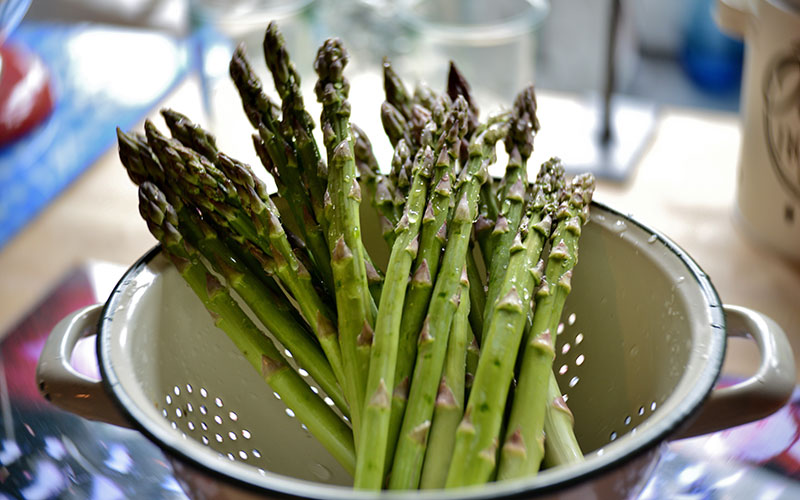
Asparagus is one of the most recognizable spring vegetables, with a short peak season that typically runs from early spring into early summer. It is high in folate, vitamin K, and fiber, all of which support healthy digestion and normal cellular function. Fresh, in-season asparagus is also known for its superior taste and texture.
Radishes
Radishes are crisp, fast-growing root vegetables that are abundant in spring. They provide vitamin C and a range of antioxidants that help protect cells from oxidative stress. Both the roots and the leafy tops are edible, offering additional nutritional value.
Arugula
Arugula is a peppery leafy green that grows quickly in cool spring weather. It is a good source of vitamin K and contains a variety of antioxidants that support overall health. Like other leafy greens, arugula contributes to bone health and helps round out a nutrient-dense diet.
Related: 4 Foods That Can Make Spring Allergies Worse (and Why)
Peas
Fresh green peas are one of the earliest spring crops. They provide a combination of fiber, vitamin C, and plant-based protein. This nutrient profile supports digestive health and helps contribute to a balanced, whole-food diet.
Artichokes
Artichokes are a standout spring vegetable known for their high fiber content. They also contain prebiotic compounds such as inulin, which help support gut health by promoting beneficial bacteria. In addition, artichokes provide antioxidants that contribute to overall digestive and metabolic health.
Why Spring Vegetables Matter
Spring vegetables offer a unique opportunity to eat produce at its peak. When harvested in season, vegetables are typically fresher, more flavorful, and may retain higher levels of key nutrients.
Focusing on seasonal produce like spring vegetables can help support a more balanced diet while also encouraging local food systems and fresher sourcing. Whether you’re building meals around leafy greens or incorporating a wider variety of vegetables, spring is one of the best times to prioritize nutrient-dense foods.