
June Gardening Checklist by USDA Zone
A practical June gardening guide with zone-specific tasks for planting, watering, harvesting, mulching, and maintaining your garden as summer begins.
June is when gardens shift fully into summer growth. In cooler climates, planting season is finally in full swing, while warmer regions begin focusing more on watering, harvesting, mulching, and heat protection. No matter where you garden, June is one of the busiest months of the year.
Use this June gardening checklist by USDA zone to stay on top of planting, maintenance, pest prevention, and harvest tasks throughout the month.
Zones 3–4 June Garden Tasks
Gardeners in Zones 3 and 4 are finally entering peak planting season. Soil temperatures are warming up, frost danger is fading, and warm-season vegetables can usually go into the garden this month.
June garden tasks for Zones 3–4:
- Transplant tomatoes, peppers, eggplants, and squash outdoors
- Direct sow beans, cucumbers, pumpkins, and zucchini
- Plant sweet corn after soil warms fully
- Continue succession planting lettuce, spinach, and radishes
- Mulch garden beds once soil temperatures stabilize
- Watch for slugs during rainy periods
- Harden off seedlings carefully before transplanting
- Fertilize heavy-feeding vegetables with compost or organic fertilizer
- Install tomato cages and trellises before plants become too large
- Keep row covers nearby in case of unexpected cold nights
June is also a good month to plant annual flowers, herbs, and pollinator-friendly plants in northern gardens.
Related: 5 Ways to Make Your Garden More Bee-Friendly
Zones 5–6 June Garden Tasks
Zones 5 and 6 usually enter a transition period during June. Spring crops begin producing heavily while summer vegetables grow rapidly with warmer temperatures.
June garden tasks for Zones 5–6:
- Harvest lettuce, peas, spinach, and radishes before they bolt
- Succession plant beans, carrots, beets, and cucumbers
- Mulch heavily around tomatoes and peppers to conserve moisture
- Stake or cage tomatoes before vines spread
- Thin crowded seedlings for better airflow
- Watch for aphids, flea beetles, and squash bugs
- Deadhead annual flowers to encourage more blooms
- Prune spring-flowering shrubs after blooms fade
- Water deeply during dry spells instead of shallow daily watering
- Feed container gardens regularly with organic fertilizer
This is often one of the fastest growth periods of the season, so regular harvesting and maintenance become especially important.
Zones 7–8 June Garden Tasks
June heat starts becoming a major factor in Zones 7 and 8. Garden priorities begin shifting from planting toward maintenance, watering, and keeping crops productive through rising temperatures.
June garden tasks for Zones 7–8:
- Water deeply early in the morning during hot weather
- Add fresh mulch to help cool soil and reduce evaporation
- Harvest zucchini, cucumbers, beans, and herbs frequently
- Remove bolting lettuce and other cool-season crops
- Monitor tomatoes for early blight and fungal disease
- Watch closely for hornworms, spider mites, and squash vine borers
- Continue planting heat-loving crops like okra and southern peas
- Start planning for fall vegetable planting later this summer
- Trim leggy herbs to encourage fresh growth
- Fertilize tomatoes, peppers, and container plants as needed
Container gardens may need daily watering during heat waves, especially in full sun locations.
Related: Getting Started With a Rain Barrel: A Simple Guide to Harvesting Rainwater
Zones 9–10 June Garden Tasks
In Zones 9 and 10, June often brings intense heat and rapid moisture loss. Gardeners should focus on protecting plants from heat stress while maintaining harvests and preparing for future planting cycles.
June garden tasks for Zones 9–10:
- Water deeply and consistently during extended heat
- Check containers daily for dry soil
- Use shade cloth to protect sensitive vegetables if necessary
- Harvest vegetables frequently to keep plants productive
- Refresh mulch layers to retain moisture
- Remove spent spring vegetables that can no longer handle heat
- Watch carefully for spider mites, whiteflies, and aphids
- Avoid heavy pruning during extreme temperatures
- Solarize empty beds if preparing for fall planting
- Begin planning fall vegetable gardens indoors or in shaded areas
Herbs like basil, oregano, rosemary, and thyme often thrive in June heat with proper watering.
June Garden Tasks for All USDA Zones
Mulch Garden Beds
Adding mulch in June helps regulate soil temperatures, suppress weeds, and reduce moisture loss during summer heat.
Good organic mulch options include:
- Straw
- Shredded leaves
- Grass clippings
- Pine needles
- Compost
- Untreated wood chips
Apply mulch around vegetables, flowers, shrubs, and pathways while keeping it slightly away from plant stems.
Water Deeply During Hot Weather
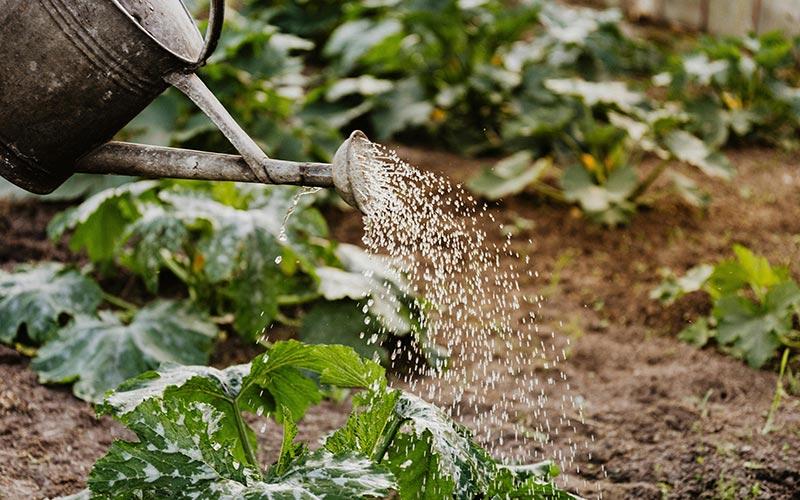
Most gardens benefit more from deep watering sessions than frequent shallow watering.
June watering tips:
- Water early in the morning
- Aim to soak the root zone deeply
- Avoid wetting foliage whenever possible
- Use drip irrigation or soaker hoses if available
- Check containers more frequently than in-ground beds
New transplants and raised beds usually dry out faster during early summer.
Watch for Common June Garden Pests
Warm weather brings increased insect activity in many gardens.
Common June garden pests include:
- Aphids
- Squash bugs
- Tomato hornworms
- Japanese beetles
- Spider mites
- Cabbage worms
Inspect plants regularly so problems can be handled before infestations spread.
Organic pest control methods may include:
- Hand-picking insects
- Neem oil
- Insecticidal soap
- Floating row covers
- Encouraging beneficial insects
Support Tomatoes and Climbing Crops
Tomatoes, cucumbers, pole beans, and other climbing vegetables grow rapidly during June.
Use:
- Tomato cages
- Stakes
- Trellises
- Garden twine
Proper support improves airflow, helps reduce disease pressure, and keeps fruit cleaner.
Harvest Frequently
Many vegetables become more productive when harvested regularly.
Frequent harvesting encourages continued production from:
- Beans
- Cucumbers
- Zucchini
- Summer squash
- Herbs
- Peppers
Overripe vegetables can slow production and attract pests.
Related: How To Grow Mint (Without It Taking Over Your Garden)
Quick June Gardening Checklist
- Plant warm-season vegetables in cooler zones
- Mulch garden beds before peak summer heat
- Water deeply and consistently
- Harvest cool-season crops before bolting
- Stake tomatoes and climbing plants
- Watch for pests and fungal disease
- Succession plant fast-growing vegetables
- Feed heavy-feeding crops organically
- Deadhead flowers regularly
- Begin planning for fall gardening in warmer regions