
How To Grow Mint (Without It Taking Over Your Garden)
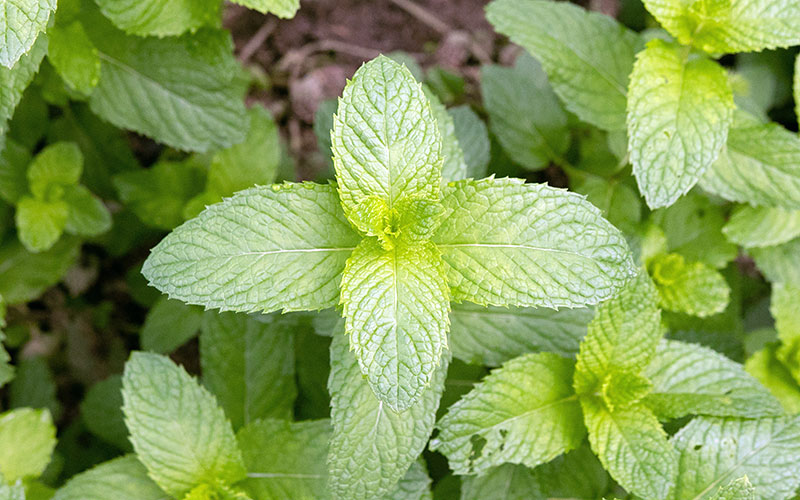
A practical guide to planting, containing, harvesting, and using fresh garden mint.
Mints are perennial herbs with squared, four-sided stems, opposite leaves, and small lipped flowers. All parts of the plants are highly aromatic. Most mints spread aggressively by underground rhizomes (creeping stems just below the soil surface), allowing them to form dense colonies that can quickly overrun nearby plants. This vigorous growth is why mint is often considered invasive in garden beds and why it is best contained.
Above ground, most varieties produce upright stems 2 to 3 feet tall. Many are hardy in USDA Plant Hardiness Zones 3–8, though hardiness varies by species and cultivar, so check plant labels before purchasing.
The genus Mentha includes many species and cultivars, and growing several types can expand both culinary and ornamental uses. Peppermint and spearmint are the most familiar kitchen varieties. Apple mint has soft, fuzzy leaves and a mild flavor, orange mint offers a citrusy aroma, and chocolate mint carries a subtle dessert-like scent. Corsican mint forms a low, mosslike mat that works well as a groundcover between stepping stones. Numerous hybrids and variegated forms are also available.
Where to Plant Mint
Mint grows best in a cool, moist location with partial sun, though it tolerates full sun if soil moisture is maintained. In hotter climates, some afternoon shade helps prevent stress and leaf scorching. Unlike many culinary herbs, mint performs reasonably well in light shade.
If planting in the ground, allow generous space or install barriers to limit spread. Because mint travels underground, it can emerge several feet from the original plant. For most home gardens, containers are the safest long-term option.
Growing Mint
All mints prefer moist, fertile, well-drained soil rich in organic matter. Amending planting areas with compost improves both moisture retention and drainage while supporting steady growth.
Mint requires consistent moisture and is not drought tolerant. Water regularly so the soil stays evenly moist but not waterlogged. Plants grown in containers dry out faster than those in the ground and may need watering several times per week during warm weather.
Mint is a light feeder. In organic gardens, an annual top-dressing of compost is usually sufficient. Excess fertilizer, especially high-nitrogen products, can produce lush growth with weaker flavor.
Mint grown from seed varies widely in flavor and vigor, so most gardeners start with established plants from nurseries or reputable suppliers. One plant of each variety will typically produce more than enough for home use within a season.
Because mint spreads aggressively, containment is essential. One effective method is planting in bottomless containers at least 15 inches deep sunk into the soil with one or two inches protruding above the surface to block surface runners. Mint can also be grown entirely above ground in large pots, tubs, or barrels with drainage holes. Choose containers at least 12 to 18 inches wide to allow room for root growth.
Over time, container-grown mint can become crowded and less productive. Dividing plants every few years restores vigor and prevents root-bound conditions.
Growing Mint Indoors
Mint can be grown indoors in a bright window that receives several hours of direct light daily. Use a container with good drainage and water carefully, as indoor plants are prone to root rot if kept too wet. Growth may slow during winter due to lower light levels.
Propagating Mint
Mint is one of the easiest herbs to propagate. Established plants can be divided in spring or fall by digging up a section of roots and replanting it elsewhere. Even small pieces of root with shoots attached will grow into new plants.
Stem cuttings also root readily. Place a healthy sprig in water or moist potting mix, and roots typically develop within one to two weeks. Because propagation is so reliable, a single plant can supply many new ones over time.
Harvesting
Snip leaves or sprigs as needed once plants are well established. For larger harvests, cut stems to within about an inch above the ground. Regular cutting encourages bushier growth and prevents plants from becoming tall and leggy.
For the best flavor, harvest before the plant flowers. Multiple harvests are possible throughout the growing season.
Mint preserves well in several forms. Hang small bundles in a dry, airy location to air-dry, dry individual leaves on dehydrator trays, or freeze fresh leaves in airtight bags to retain more of their color and aroma.
Uses
Mint is widely used in both sweet and savory dishes. Fresh leaves add brightness to lamb, rice, salads, sauces, and cooked vegetables. They are also popular in beverages, from hot herbal teas to iced drinks.
Peppermint tea has long been used as a traditional remedy for mild digestive discomfort. Fresh mint can be steeped alone or blended with other herbs.
To store fresh mint short-term, place stems in water like a bouquet and refrigerate loosely covered. For longer storage, drying or freezing preserves the harvest for later use.
Corsican mint is primarily ornamental, forming a fragrant groundcover suitable for rock gardens or between paving stones where foot traffic is light.
Related: 9 Practical Health Benefits of Mint (Plus Easy Ways to Use It)
Common Problems
Mint is generally easy to grow and relatively trouble-free. Occasionally, plants may develop rust (orange spots on leaves) or attract aphids or spider mites, particularly in crowded or poorly ventilated conditions. Good air circulation, regular harvesting, and dividing overgrown plants help reduce problems in organic gardens.
Companion Planting
Mint’s strong aroma may deter some insect pests, but its aggressive spreading habit can overwhelm neighboring plants. For this reason, it is often best grown in its own container or confined area rather than mixed into densely planted beds.
Growing mint is straightforward once its vigorous nature is managed. With adequate moisture, rich soil, and proper containment, a single plant can supply abundant harvests for many years.