Organic vs Natural Food Labels: What’s the Real Difference?
Why “natural” is mostly marketing — and what the USDA Organic seal actually guarantees.
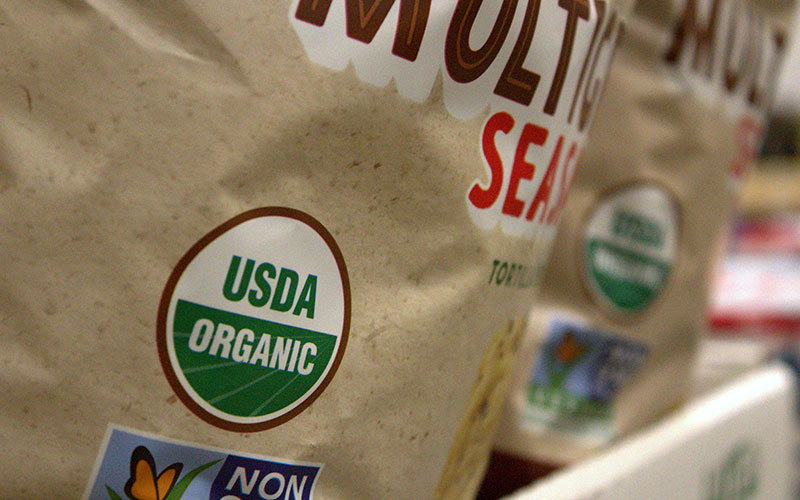
Many shoppers assume “organic” and “natural” mean the same thing, but they are not interchangeable. Organic is a legally regulated standard that controls how food is grown, raised, and processed. Natural, by contrast, is a loosely defined marketing term that generally refers only to the absence of artificial ingredients. If you want assurance about farming practices, animal treatment, or genetic modification, the USDA Organic seal is the meaningful label to look for.
What “Organic” Really Means
For a food to carry the USDA Organic seal, it must meet strict federal standards established by the USDA National Organic Program. These rules govern how crops are grown, how animals are raised, and how foods are processed.
Organic production generally prohibits:
• Synthetic pesticides and fertilizers (with limited approved exceptions)
• Genetically modified organisms (GMOs)
• Petroleum-based fertilizers
• Sewage sludge
• Most synthetic food additives
Organic farming focuses on soil health, crop rotation, biodiversity, and ecological balance rather than chemical inputs.
Understanding the Three Organic Label Categories
Not all organic labels mean the same thing. The USDA recognizes three main categories:
100% Organic
All ingredients and processing aids are certified organic. Products may display the USDA Organic seal.
Organic
At least 95% of ingredients are organic. Remaining ingredients must be on an approved list. Products may display the USDA seal.
Made with Organic Ingredients
At least 70% of ingredients are organic. These products cannot use the USDA seal but may state “made with organic ___” on the package.
Standards for Organic Meat, Dairy, and Eggs
Organic livestock must be raised under specific conditions, including:
• Fed certified organic feed
• Given access to the outdoors
• Raised without routine antibiotics
• No added growth hormones
• Managed to support natural behaviors
These rules apply to meat, poultry, dairy, and eggs.
Organic Does Not Mean Pesticide-Free
Organic farming may still use certain approved pesticides derived from natural sources or deemed low risk. The key difference is that synthetic chemicals are largely restricted, and all substances must meet strict safety and environmental criteria.
Who Regulates These Labels?
Organic labeling is strictly regulated by the USDA. Farms and processors must be certified and regularly inspected to maintain organic status.
The term “natural,” however, has no comprehensive regulatory definition for most foods. The FDA generally interprets “natural” to mean that nothing artificial or synthetic has been added that would not normally be expected in the food. This definition does not address how ingredients were grown or raised.
For meat and poultry, the USDA requires that “natural” products contain no artificial ingredients and be only minimally processed, but again, this does not regulate farming practices.
What “Natural” Really Means — and What It Doesn’t
Foods labeled “natural” must typically contain no added artificial colors, artificial flavors, or synthetic substances. Beyond that, the term provides very little useful information.
“Natural” does NOT guarantee that a product is:
• Organic
• Free of pesticides
• Free of GMOs
• Minimally processed
• Raised without antibiotics or hormones
• Environmentally sustainable
Additives derived from natural sources, such as carrageenan, may still be used. Highly processed ingredients can also appear in “natural” foods.
Nutrition experts often note that the term functions primarily as a marketing tool. Because consumers associate it with wholesomeness, it frequently appears on products that are far from minimally processed.
Organic vs Natural: Quick Comparison
Regulation
Organic: Strict federal standards and certification
Natural: Limited guidance; largely unregulated
Farming Practices
Organic: Controlled and inspected
Natural: Not addressed
GMOs
Organic: Prohibited
Natural: Allowed
Pesticides
Organic: Restricted to approved substances
Natural: No restrictions implied
Animal Treatment
Organic: Standards for feed, medication, and living conditions
Natural: No production requirements
Processing
Organic: Limited additives and processing aids
Natural: May still be heavily processed
Label Verification
Organic: USDA Organic seal
Natural: No official seal
Why “Natural” Often Appears on Processed Foods
The natural label is common on products such as cereals, snack foods, ice cream, and fruit snacks. These items may still contain ingredients like corn syrup, refined oils, flavor extracts, or modified starches. Because the term focuses on the absence of artificial additives rather than the overall quality of ingredients, it can appear on foods that are far removed from their original state.
This is why reading the ingredient list is essential. Front-of-package claims rarely tell the full story.
How to Shop Smarter
If you are trying to make more informed choices:
- Look for the USDA Organic seal when production methods matter to you.
- Read ingredient lists, especially on packaged foods labeled “natural.”
- Prioritize organic purchases based on your budget and priorities rather than assuming every product must be organic.
- Be cautious of vague front-label claims. Words like “natural,” “farm-fresh,” or “wholesome” have no consistent regulatory meaning.
- Focus on whole foods — fruits, vegetables, grains, legumes, and minimally processed items — regardless of label.
The Bottom Line
Organic is a verified production standard backed by federal regulation. Natural is a loosely defined term that primarily indicates the absence of artificial additives, not how the food was produced. When transparency about farming practices, environmental impact, or animal welfare matters, organic labeling provides far more reliable information.