
9 Practical Health Benefits of Mint (Plus Easy Ways to Use It)
Simple, time-tested uses for fresh mint leaves from the garden
If you grow mint, you already know how quickly it can take over a garden bed. Once you have more than you can use in cooking, tea becomes the obvious option — but this hardy herb has many other traditional uses as well.
Related: How To Grow Mint (Without It Taking Over Your Garden)
Mint, especially peppermint and spearmint, has been used for generations as a simple home remedy for everyday discomforts. It contains natural compounds like menthol that create a cooling sensation and a fresh scent, which is why it shows up in everything from teas to salves to toothpaste.
Here are some of the most practical ways to put an abundant mint harvest to good use.
1. May Help Stop Hiccups
A glass of mint water or a few fresh leaves may help settle stubborn hiccups for some people. Mint’s cooling compounds can have a calming effect on muscles, which may reduce spasms in the diaphragm.
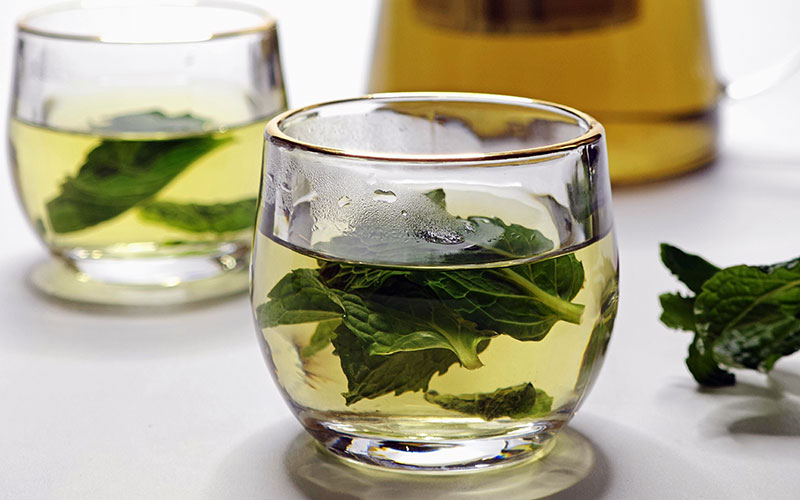
To try it, steep a small handful of fresh mint in hot water for several minutes, let it cool slightly, and sip slowly. Chewing a few washed leaves can also work.
Not every remedy works for everyone, but this is a simple option that costs nothing to try.
2. Can Ease Nausea and Motion Sickness
Mint has long been used to calm an unsettled stomach. The scent alone may help some people feel less queasy, which is why peppermint oil is commonly used during travel.
Drinking warm mint tea, inhaling the steam from freshly brewed leaves, or simply smelling crushed mint can provide gentle relief. Many gardeners find this especially helpful for mild nausea or car sickness.
3. Supports Healthy Digestion
One of the best-known benefits of mint is its ability to soothe the digestive tract. After a heavy meal, a cup of mint tea may help reduce bloating, gas, and that overly full feeling.
Mint appears to relax digestive muscles, allowing food and gas to move through more comfortably. This is why peppermint tea is a traditional after-dinner drink in many cultures.
For best results, pour boiling water over fresh or dried leaves, cover, and steep for 5 to 10 minutes to capture the aromatic oils.
4. May Help You Breathe Easier During Colds
Mint does not cure respiratory illness, but the menthol it contains creates a cooling sensation that can make breathing feel more comfortable when you are congested.
A simple steam inhalation can be especially soothing. Add a handful of crushed mint leaves to a bowl of hot water, lean over the bowl, and breathe in the vapors carefully. Mint tea can also provide gentle comfort for a sore throat.
5. Can Soothe Itchy or Irritated Skin
Mint’s cooling effect can help calm minor skin irritations such as bug bites, mild rashes, or contact with irritating plants.
You can apply cooled mint tea with a clean cloth as a compress, place chilled tea bags on the skin, or use a properly diluted peppermint oil solution. Always test a small area first, as sensitive skin may react.
Avoid applying essential oils directly to skin without dilution, since they are highly concentrated.
6. Helps Freshen Breath Naturally
Mint’s antibacterial properties and strong aroma make it one of the simplest natural breath fresheners.
Chewing a few clean leaves can temporarily reduce odor and leave your mouth feeling clean. Drinking mint tea may provide a similar effect. This is one reason mint has been used in oral care for centuries.
7. May Help Repel Mosquitoes
Strong mint scents can discourage mosquitoes from landing, especially when using concentrated forms like essential oil.
Rubbing fresh leaves on the skin may offer mild, short-term protection, though it is not as effective as prepared repellents. Planting mint near seating areas can also help reduce the number of insects nearby simply by releasing its fragrance when brushed.
8. May Support Alertness and Focus
The invigorating scent of peppermint is often associated with feeling more awake and mentally refreshed. Some people find that inhaling the aroma helps them concentrate during work or study.
You can diffuse peppermint oil, add a few drops to bathwater, or simmer crushed leaves in water to release the scent throughout your home.
9. May Support Scalp and Hair Health
Peppermint oil is commonly used in natural hair products because it creates a tingling, cooling sensation that may stimulate the scalp. Some people use diluted peppermint oil in carrier oils as part of a scalp massage routine.
Because essential oils are potent, only a small amount is needed, and they should always be diluted before use. Avoid contact with eyes and sensitive areas.
Simple Ways to Use Up Extra Mint
If your garden produces more mint than you can use fresh, consider these easy options:
Make and Store Mint Tea
Dry sprigs upside down in a warm, airy place. Once crisp, store the leaves in airtight containers for year-round tea.
Freeze for Later
Chop fresh leaves and freeze them in ice cube trays with water. These cubes can be dropped into drinks, soups, or sauces.
Infuse Water or Vinegar
Add mint to drinking water for a refreshing flavor, or steep it in vinegar to create a fragrant household cleaner.
A Note on Peppermint vs. Spearmint
Both types are useful, but peppermint typically has a stronger cooling effect due to higher menthol content. Spearmint is milder, sweeter, and often preferred for cooking and gentle teas.
Either can be used for most home applications, so work with whatever grows best in your garden.
Mint is one of the easiest herbs to grow and one of the most versatile to keep on hand. With a few simple preparations, that overflowing patch can become a reliable source of everyday comfort and practical home remedies.