
10 Types of Firewood You Should Never Burn (and What to Use Instead)
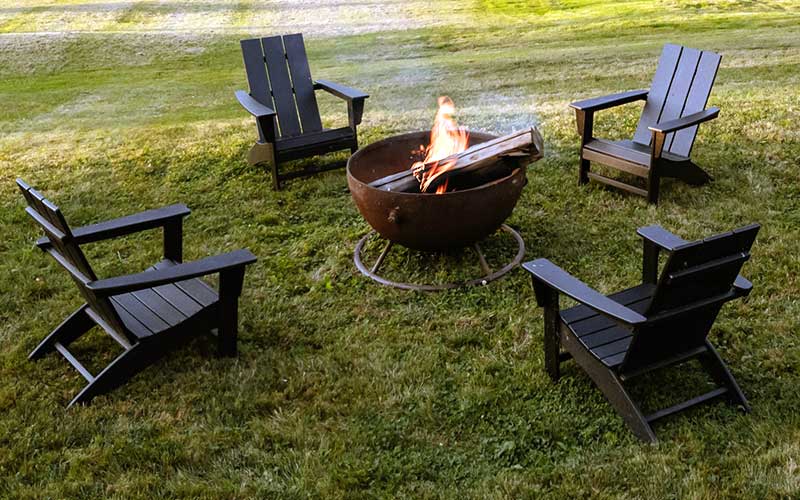
Whether you’re lighting a fireplace, wood stove, backyard fire pit, or campfire, choosing the right firewood matters. Some types of wood create excessive smoke, damage your chimney, spread invasive pests, or release toxic compounds when burned.
Nothing beats the warmth of a crackling fire, whether it’s in a cast-iron wood stove, a backyard fire pit, or around a campsite. But not every piece of wood belongs in the fire.
Some types of firewood burn poorly, producing excessive smoke and creosote that can increase the risk of chimney fires. Others may release toxic chemicals or spread destructive forest pests. Choosing the right firewood not only helps your fire burn hotter and cleaner, but also protects your health, your equipment, and nearby forests.
Here are the types of firewood you should avoid—and what to burn instead.
1. Non-Local Firewood
Moving firewood from one region to another is one of the fastest ways invasive insects and tree diseases spread. Pests such as the emerald ash borer and Asian longhorned beetle can hide beneath the bark, even in wood that appears healthy.
Whenever possible, buy firewood close to where you’ll burn it. Many parks and campgrounds recommend or require locally sourced firewood, and heat-treated commercial bundles are often the safest option when traveling.
If you purchase wood while camping, follow the “buy it where you burn it” principle and use the entire bundle before leaving. Never bring leftover firewood home from another area.
2. Green (Unseasoned) Wood
Freshly cut wood contains a large amount of moisture, making it difficult to ignite and inefficient to burn. Instead of producing steady heat, green wood creates excess smoke, wastes energy, and contributes to creosote buildup inside chimneys.
Most firewood should be seasoned for at least six to twelve months, depending on the species and local climate. Properly seasoned firewood generally has cracked ends, feels lighter than freshly cut wood, and produces a hollow sound when two pieces are knocked together.
For the cleanest burn, choose firewood with a moisture content below 20 percent.
3. Wet, Moldy, or Rotten Wood
Even seasoned wood can become unsuitable if it’s been stored improperly.
Wood that is damp, moldy, or partially rotten burns poorly and generates more smoke than dry wood. Decaying wood also produces less heat because much of its energy has already been lost through decomposition.
Store firewood off the ground in a well-ventilated area with the top covered and the sides left open to allow air circulation.
4. Pressure-Treated, Painted, or Stained Lumber
Construction lumber should never be burned in fireplaces, wood stoves, or campfires.
Pressure-treated wood contains chemical preservatives designed to resist insects and decay, while painted or stained boards may release hazardous compounds when burned. Scrap lumber may also contain nails, screws, or other metal fasteners that create additional safety hazards.
Dispose of treated or painted wood according to local regulations rather than using it as firewood.
5. Engineered Wood Products
Manufactured wood products such as plywood, particleboard, medium-density fiberboard (MDF), oriented strand board (OSB), and laminate flooring are made with adhesives, resins, and other synthetic materials.
These products are designed for construction—not for burning. They can release irritating or potentially harmful emissions and should never be used in fireplaces, wood stoves, or outdoor cooking fires.
6. Driftwood
Weathered driftwood may look like ideal campfire fuel, but it’s better left on the beach.
Wood that has spent time in saltwater absorbs salt, and burning it can produce irritating compounds while also contributing to corrosion inside fireplaces and wood stoves. Driftwood also plays an important ecological role by providing habitat and helping stabilize shorelines in many areas.
If you collect driftwood, save it for decorative projects instead of burning it.
7. Poisonous Plants
Never burn poison ivy, poison oak, poison sumac, or other plants that contain urushiol, the oily compound responsible for their characteristic rash.
When these plants burn, urushiol can become airborne in smoke. Breathing that smoke may cause severe irritation of the eyes and respiratory tract and can become a medical emergency for sensitive individuals.
When clearing brush, identify poisonous vines before adding anything to a burn pile.
8. Oleander and Other Highly Toxic Ornamentals
Oleander is one of the most toxic ornamental shrubs commonly grown in warm climates. Every part of the plant—including the leaves, stems, flowers, and branches—contains potent toxins that remain dangerous even after the plant has dried.
Never burn oleander, and never use its branches as roasting sticks for food.
If you’re uncertain about the identity of landscape shrubs or tree trimmings, don’t add them to your firewood pile.
9. Resinous Softwoods
Pine, fir, spruce, and cedar aren’t automatically unsafe to burn, but they deserve special consideration.
When properly seasoned, softwoods can make excellent kindling because they ignite quickly. However, they burn faster than most hardwoods and generally produce fewer long-lasting coals. Green or poorly seasoned resinous softwoods can also generate more smoke and contribute to creosote buildup if fires are allowed to smolder.
For long-lasting fires in fireplaces and wood stoves, seasoned hardwoods such as oak, maple, hickory, or ash are usually better choices.
10. Oversized Firewood
Not every problem comes from the type of wood itself.
Large, unsplit logs are difficult to ignite and often restrict airflow, making it harder to build an efficient fire. If your firewood is too large for your stove or fireplace, you’ll need to split it before use.
Most firewood burns best when split into manageable pieces that fit comfortably inside your firebox and allow plenty of space for air to circulate.
Related: 7 Essential Steps for Making Fireworks a Whole Lot Safer
How to Choose Better Firewood
The best firewood is:
- Locally sourced whenever possible.
- Properly seasoned and dry.
- Free of paint, stains, adhesives, and chemical treatments.
- Stored off the ground with good airflow.
- Sized appropriately for your fireplace or wood stove.
Hardwoods such as oak, maple, hickory, and ash generally produce longer-lasting fires, more consistent heat, and fewer reloads than most softwoods.
The Bottom Line
The safest firewood is clean, dry, untreated, and locally sourced. Avoid burning chemically treated materials, toxic plants, wet wood, or anything that could release harmful compounds into the air or damage your fireplace.
By choosing properly seasoned firewood and burning it responsibly, you’ll enjoy hotter fires, cleaner chimneys, healthier air, and help protect forests from invasive pests.