
How to Attract Fireflies to Your Yard Naturally
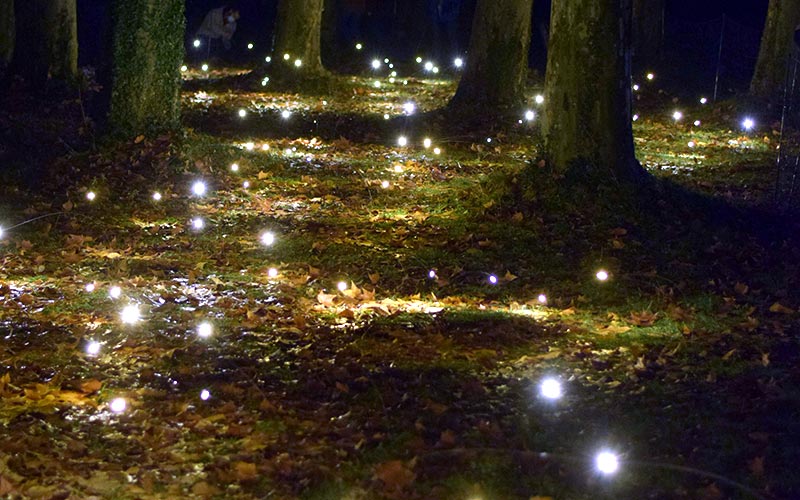
Create a backyard habitat that helps fireflies (also called lightning bugs) thrive while bringing the magic of summer evenings back to your garden.
There are few sights that capture the feeling of summer quite like fireflies blinking across the yard at dusk. Many of us remember chasing these glowing insects with a mason jar as children, but if it seems like there are fewer fireflies lighting up the night these days, you’re not imagining it.
Scientists have documented declines in many firefly populations, although the extent varies by species and region. Habitat loss, artificial light at night, and widespread pesticide use are considered some of the biggest challenges facing these remarkable insects. Because fireflies thrive in healthy, diverse landscapes, seeing them in your yard is often a sign that your garden is supporting a healthy ecosystem.
The good news is that homeowners can make a difference. By creating the right habitat and adopting a few organic gardening practices, you can help fireflies complete their life cycle while making your backyard a more welcoming place for birds, pollinators, and other beneficial wildlife.
Here’s how to attract fireflies to your yard naturally.
Why Are Fireflies Disappearing?
Fireflies depend on habitats that are becoming increasingly difficult to find. Woodlands, meadows, wetlands, and field edges have been replaced by development in many areas, leaving fewer places for fireflies to feed, reproduce, and shelter.
Artificial light is another major problem. Fireflies communicate by flashing species-specific light patterns to attract mates. Bright porch lights, landscape lighting, and illuminated buildings can make those signals difficult to see, reducing successful mating.
Chemical pesticides also contribute to declining populations. Broad-spectrum insecticides can kill adult fireflies directly while contaminating the grasses, leaves, and soil where larvae spend most of their lives. Mosquito fogging and routine lawn treatments may unintentionally harm many beneficial insects alongside their intended targets.
While no single yard can reverse these trends alone, creating even a small patch of suitable habitat provides another safe place for fireflies to live and reproduce.
Understanding the Firefly Life Cycle
Helping fireflies starts with understanding how they live.
Most people only notice adult fireflies during summer evenings, but adults make up only a small portion of their lives. After mating, females lay eggs in moist soil, leaf litter, or decaying wood. The larvae hatch and spend one to two years living on or just below the soil surface, feeding on slugs, snails, worms, and other small invertebrates before pupating and emerging as the glowing adults we see each summer.
Because larvae spend far more time on the ground than adults spend flying, maintaining healthy soil, fallen leaves, and natural debris is just as important as providing places for adults to flash their lights.
Ways to Attract Fireflies to Your Yard Naturally
Let Part of Your Lawn Grow Taller
Perfectly manicured lawns offer very little shelter for fireflies. During the day, adults rest among tall grasses and shrubs where they’re protected from heat and predators.
Instead of mowing every inch of your yard, consider leaving borders, fence lines, or less-used corners slightly taller throughout the growing season. Mowing less frequently also reduces the chance of accidentally killing resting fireflies.
If ticks are a concern where you live, focus taller vegetation around the outer edges of your property while keeping frequently used play areas and walkways neatly maintained.
Leave Leaf Litter Beneath Trees and Shrubs
Fallen leaves aren’t just yard waste—they’re valuable wildlife habitat.
Firefly larvae spend much of their lives beneath leaf litter, where moisture levels remain stable and prey is abundant. Rather than removing every leaf each fall, allow natural leaf mulch to remain beneath trees, shrubs, and woodland garden beds whenever possible.
A thin layer of leaves also helps improve soil health, conserves moisture, and supports countless beneficial organisms that contribute to a healthy garden ecosystem.
Add Brush Piles and Decaying Logs
Many firefly species lay eggs in rotting wood or other natural debris found on the forest floor.
Leaving a few fallen branches, old logs, or small brush piles beneath mature trees creates ideal habitat for developing larvae. These damp, shaded areas also attract slugs, snails, and worms, providing an important food source for young fireflies.
You don’t need a large wood pile—even a modest brush pile tucked into a quiet corner of the yard can provide valuable habitat.
Plant Native Trees, Shrubs, and Woodland Plants
Native plants help recreate the diverse habitats where fireflies naturally thrive.
Native trees provide shade that keeps soil cool and moist while reducing the impact of nearby artificial lighting. Pine trees are especially beneficial because their dense canopies help block light pollution, and the fallen needles and branches create ideal habitat for developing larvae.
You can improve habitat even further by planting native shrubs, woodland wildflowers, ferns, sedges, and grasses. Together, these plants create layered vegetation that retains moisture and supports the insects and other small creatures that fireflies rely on throughout their life cycle.
Reduce Outdoor Lighting to Help Fireflies Find Mates
A firefly’s flashing light isn’t just beautiful—it’s essential for reproduction.
Each species uses its own unique flash pattern to locate potential mates. Bright outdoor lighting can overpower these signals, making it harder for males and females to find one another.
Whenever practical, turn off unnecessary outdoor lights during summer evenings. If lighting is needed for safety, choose warm-colored bulbs, install motion sensors or timers, and use shielded fixtures that direct light downward instead of across the landscape.
Create Moist Habitat Without Encouraging Mosquitoes
Fireflies are attracted to moist environments, not simply standing water.
Many species are commonly found near streams, woodland edges, wetlands, ponds, and damp meadows where the soil remains consistently moist. You can recreate similar conditions by installing a small pond, planting a rain garden, or allowing certain areas of your landscape to retain more natural moisture.
If you add a pond, include moving water, native aquatic plants, or other mosquito-control measures to help prevent mosquito breeding while still providing suitable habitat.
Avoid Pesticides and Mosquito Fogging
One of the best things you can do for fireflies is reduce or eliminate chemical pesticides.
Broad-spectrum insecticides don’t distinguish between pests and beneficial insects. Adults may be exposed directly during spraying, while larvae can come into contact with pesticide residues that remain on vegetation and in the soil.
Mosquito fogging programs can also affect fireflies and many other beneficial insects that are active at the same time of day.
Instead, rely on organic gardening practices such as encouraging beneficial insects, improving plant health, hand-picking pests when practical, and using targeted controls only when necessary.
Related: 5 Common Spring Pests and Natural Ways to Stop Them
Build Healthy Organic Soil
Healthy soil supports an entire food web that benefits fireflies.
Adding compost, leaving natural mulch in place, and minimizing soil disturbance encourage earthworms, snails, and other small organisms that serve as food for developing larvae. Rich, biologically active soil also retains moisture longer, creating better conditions throughout the growing season.
Building healthy soil benefits far more than fireflies—it also supports stronger plants, better water retention, and a more resilient backyard ecosystem.
Be Patient as Habitat Recovers
Fireflies won’t necessarily appear overnight.
Because larvae spend one to two years developing before becoming adults, it may take a season or two before habitat improvements lead to noticeably larger populations. If suitable habitat already exists nearby, however, even small changes can encourage more fireflies to visit your yard.
Consistency is key. The more stable and pesticide-free your landscape becomes, the more inviting it will be for fireflies and countless other beneficial creatures.
Frequently Asked Questions
Why are fireflies disappearing?
Researchers believe habitat loss, light pollution, and pesticide use are among the leading causes of firefly declines. The severity of those declines varies depending on the species and region, but protecting natural habitat is one of the most effective ways homeowners can help.
Do fireflies bite or sting?
No. Fireflies don’t bite or sting people, making them harmless visitors in the garden.
What do firefly larvae eat?
Firefly larvae are predators that feed primarily on slugs, snails, worms, and other small invertebrates living in moist soil and leaf litter.
How long does it take to attract fireflies?
If fireflies already live nearby, habitat improvements may bring noticeable results within a season or two. Larger increases often take longer because larvae spend much of their lives developing before emerging as adults.
Do porch lights keep fireflies away?
Bright outdoor lighting can interfere with the flashing signals fireflies use to find mates. Turning off unnecessary lights or switching to warm, shielded fixtures can make your yard more inviting during peak firefly season.
Help Bring the Magic Back
Creating a firefly-friendly yard doesn’t require major landscaping projects. Leaving a few leaves beneath your trees, reducing outdoor lighting, avoiding pesticides, and planting native vegetation can transform your landscape into a healthier habitat for fireflies and countless other beneficial species.
As more homeowners create wildlife-friendly gardens, those small pockets of habitat become part of a much larger network that helps support biodiversity. With a little patience, your reward may be one of summer’s most unforgettable sights—a backyard filled with the gentle glow of fireflies after sunset.