

5 Common Spring Pests and Natural Ways to Stop Them
Simple, non-toxic strategies to protect your home and yard as pests wake up for the season.
As temperatures rise and the ground thaws, many pests become active after months of winter dormancy. Spring is when small problems can quickly turn into major infestations if left unchecked. The good news is that early action using simple, non-toxic methods can prevent most issues from escalating.
This guide covers five pests that commonly appear in spring and practical, natural ways to reduce damage and protect your home and yard without relying on harsh chemicals.
Related: How to Get Rid of Stink Bugs Naturally and Keep Them Out for Good
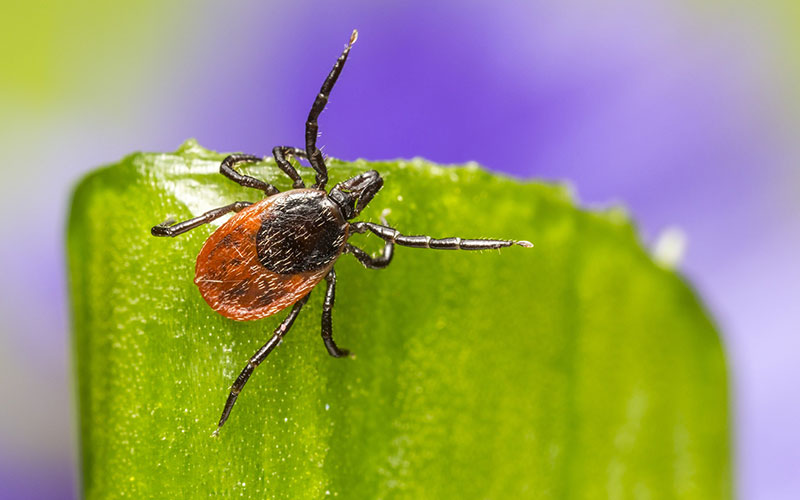
Ticks
Why They Appear in Spring
Ticks become active when temperatures consistently stay above freezing. Moist leaf litter, tall grass, and shaded areas provide ideal conditions for them to wait for passing animals or people.
Early Signs to Watch For
You may not see ticks themselves at first. Increased wildlife activity, especially deer and rodents, can signal higher tick presence. Finding ticks on pets or clothing after time outdoors is another warning sign.
Natural Prevention and Control
- Keep grass short, especially along property edges
- Remove leaf litter, brush piles, and dense ground cover
- Create a dry barrier (such as gravel or wood chips) between lawn and wooded areas
- Stack firewood neatly in sunny locations away from the home
- Discourage deer and rodents with fencing or habitat management
- Shower soon after outdoor activity in tick-prone areas
- Perform full-body tick checks on people and pets
- Use plant-based repellents when spending time in tall grass or woods
Habitat control is the most effective long-term strategy.
Carpenter Bees
Why They Appear in Spring
Adult carpenter bees emerge in early spring to mate and drill nesting tunnels into wood. They prefer untreated, weathered, or unfinished surfaces.
Early Signs to Watch For
Perfectly round holes in exposed wood, coarse sawdust beneath the holes, and hovering bees around eaves, decks, or railings are common indicators.
Natural Prevention and Control
- Paint, stain, or seal exposed wood before activity peaks
- Pay special attention to eaves, fascia boards, railings, and outdoor furniture
- Repair or replace heavily damaged wood
- Fill existing holes after bees have emerged to discourage reuse
- Maintain exterior finishes to prevent weathering
Male carpenter bees may hover aggressively but cannot sting. Females can sting but rarely do unless handled.
Ants
Why They Appear in Spring
Ant colonies become active as soil warms and spring rains drive them to seek food and dry shelter. Homes offer reliable food sources and protected nesting sites.
Early Signs to Watch For
Visible ant trails along baseboards, countertops, windowsills, or foundations are the most obvious sign. Small piles of soil near cracks or entry points may indicate nesting nearby.
Natural Prevention and Control
- Clean up food spills and store food in sealed containers
- Fix leaks and reduce excess moisture indoors
- Seal cracks around doors, windows, pipes, and foundations
- Trim vegetation touching the house
- Locate and manage outdoor nests when possible
For persistent infestations, a boric acid bait can be effective:
- Dissolve 1 teaspoon boric acid and 6 tablespoons sugar in 2 cups water
- Soak cotton balls in the solution
- Place them in covered containers with small entry holes
- Position along ant trails
- Replace bait weekly until activity declines
Keep bait stations out of reach of children and pets.
Termites
Why They Appear in Spring
Many termite species swarm in spring to establish new colonies. Moist soil and wood-to-ground contact create ideal conditions near homes.
Early Signs to Watch For
- Winged insects emerging indoors or around windows
- Discarded wings near light sources
- Mud tubes along foundations or walls
- Soft, hollow-sounding wood
Natural Prevention and Control
- Keep mulch, soil, and debris from touching siding
- Ensure no structural wood contacts bare ground
- Improve drainage around the foundation
- Repair leaks promptly
- Store firewood away from the home and elevated off the ground
Professional bait systems placed around the perimeter can reduce termite populations with less environmental impact than widespread chemical treatments. Early intervention is critical because damage can occur out of sight.
Bedbugs
Why They Appear in Spring
Bedbugs are not seasonal outdoors, but spring travel increases the risk of bringing them home from hotels, rentals, or public transportation.
Early Signs to Watch For
- Small dark spots on bedding or mattresses
- Shed skins or tiny pale eggs in seams
- Itchy bites appearing overnight
- Musty odor in heavy infestations
Natural Prevention and Control
When traveling:
- Keep luggage on racks rather than floors or beds
- Inspect mattress seams and headboards in sleeping areas
- Store clothing in sealed bags when possible
After returning home:
- Unpack directly into the washing machine
- Wash and dry clothing on high heat
- Vacuum suitcases thoroughly
- Reduce clutter around sleeping areas
- Pull beds slightly away from walls
- Seal cracks in walls, baseboards, and flooring
If exposure is suspected, isolating luggage in sealed bags placed in a hot, sunny area for several days may help reduce hitchhikers, but heat from dryers is more reliable.
A Spring Strategy That Works
Most pest problems are far easier to prevent than to eliminate. Spring is the ideal time to:
- Remove overwintering sites
- Repair structural vulnerabilities
- Reduce moisture problems
- Establish clean, well-mainted outdoor spaces
- Monitor for early warning signs
Using natural methods early in the season can greatly reduce the likelihood of severe infestations later in the year.