
Everything You Need to Know About Poison Ivy
Learn how to identify poison ivy, avoid contact, remove it naturally, and dispose of it safely.
Poison ivy is one of the most common—and frustrating—plants gardeners, hikers, and homeowners encounter. It thrives in a wide range of environments, from woodland edges and fence rows to neglected garden beds and sunny landscapes. While the plant itself isn’t harmful to touch, the oily resin it produces, called urushiol, can trigger an itchy skin reaction in many people.
The good news is that poison ivy is easy to avoid once you know what to look for. Whether you’re learning to identify it for the first time or looking for effective, organic ways to control it, this guide covers everything you need to know, from recognizing the plant throughout the seasons to removing it safely and preventing it from returning.
How to Identify Poison Ivy
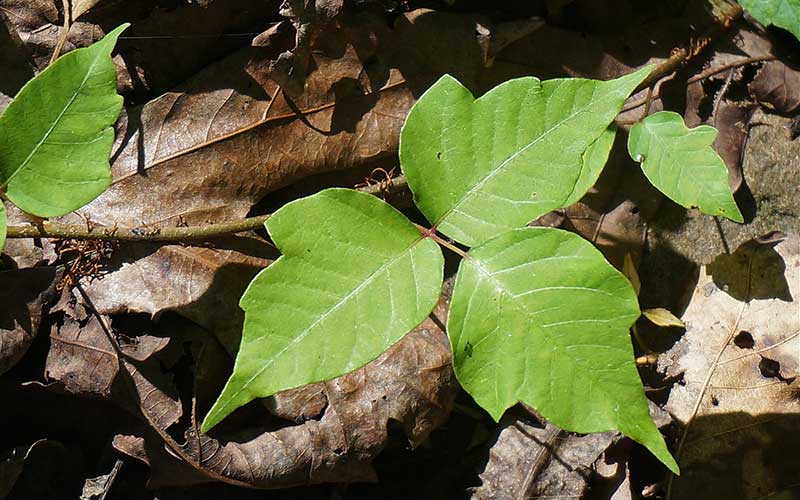
The old saying, “Leaves of three, let it be,” is still one of the best ways to remember poison ivy’s most recognizable feature. However, the plant changes appearance throughout the year, so it’s helpful to know more than one identifying characteristic.
Quick Identification Checklist
- Three leaflets per leaf
- Center leaflet usually has a longer stalk than the two side leaflets
- Pointed leaf tips
- New leaves often emerge with a reddish tint
- White or cream-colored berries develop later in the growing season
- Mature vines produce thick, hairy aerial roots as they climb trees and fences
- Leaves may turn brilliant shades of red, orange, or yellow in autumn
Spring
Fresh poison ivy leaves often emerge with reddish or bronze edges before turning green. Plants may appear as low-growing groundcovers, upright shrubs, or climbing vines.
Summer
During summer, poison ivy typically has glossy green leaves arranged in groups of three. Plants growing in full sun may appear lighter green than those in shaded woodlands.
Fall
As temperatures cool, poison ivy becomes one of the most colorful plants in the landscape. Its leaves may turn bright red, orange, or yellow before dropping.
Winter
After the leaves fall, the vine’s hairy stems and clusters of pale berries become useful identification clues. Even dormant plants can still contain urushiol, so avoid handling them without protection.
Related: 10 Types of Firewood You Should Never Burn (and What to Use Instead)
Poison Ivy, Poison Oak, and Poison Sumac
These three related plants all contain urushiol and can cause similar skin reactions.
Poison ivy is the most widespread and grows as a vine, shrub, or groundcover throughout much of the United States.
Poison oak typically has rounded, oak-like leaflets and grows as either a shrub or climbing vine, depending on the region.
Poison sumac is less common and is usually found in wetlands, swamps, and other consistently moist areas. Unlike poison ivy, its leaves grow in paired leaflets along a central stem rather than in groups of three.
Common Plants Mistaken for Poison Ivy
Several harmless plants are frequently confused with poison ivy.
Virginia creeper is one of the most common look-alikes. Unlike poison ivy, it has five leaflets instead of three and produces blue-black berries.
Other plants can irritate the skin for reasons unrelated to urushiol, including:
- Myrtle spurge (donkey tail), which contains a milky sap that can irritate skin.
- Rue, which may increase the skin’s sensitivity to sunlight.
- Wild parsnip, whose sap can cause severe skin irritation when exposed to sunlight.
- Spotted knapweed, which may cause irritation in sensitive individuals after repeated contact.
Knowing the difference can help you choose the safest way to work around these plants.
How to Avoid Poison Ivy
The easiest way to deal with poison ivy is to avoid contact whenever possible.
When working in areas where poison ivy may be present:
- Wear long sleeves, long pants, closed-toe shoes, and sturdy gloves.
- Learn to recognize young plants before they become established.
- Stay on maintained paths when hiking or exploring wooded areas.
- Wash gardening clothes separately after working near poison ivy.
- Clean tools, gloves, and footwear before storing them.
- Remember that pets don’t usually react to poison ivy, but the oil can cling to their fur and transfer to your skin during petting or grooming.
What to Do After Possible Exposure
If you think you’ve brushed against poison ivy, act as soon as possible.
Wash exposed skin promptly with soap and cool water or a cleanser designed for poison plant oils. Clean under your fingernails and avoid touching your face until you’ve washed thoroughly.
Clothing, gloves, tools, and shoes that came into contact with the plant should also be cleaned, as urushiol can remain active on surfaces long after the plant has been removed.
Managing a Poison Ivy Rash
Even with quick action, a rash may still develop.
Over-the-counter products designed to relieve itching and discomfort may help make symptoms more manageable. It’s also helpful to remember that the fluid inside poison ivy blisters does not spread the rash. New areas usually appear because they were exposed to urushiol at different times or because contaminated clothing or equipment wasn’t cleaned.
If your symptoms are severe, involve your eyes or face, or you’re concerned about your reaction, contact your healthcare provider for guidance.
How to Remove Poison Ivy Naturally
Successful poison ivy control requires persistence. The plant spreads by both seeds and an extensive root system, so complete eradication rarely happens with a single treatment.
Prevent New Infestations
Healthy groundcovers, mulched beds, and densely planted landscapes leave fewer open spaces where poison ivy seedlings can establish.
Remove Young Plants
Small seedlings are much easier to eliminate than mature vines. Wear protective clothing and remove as much of the root system as possible before plants become established.
Repeated Cutting
For larger infestations, cutting plants back to ground level several times during the growing season gradually weakens the roots by preventing the plant from replacing its stored energy.
Climbing vines can be cut near the base, allowing the upper portion to die naturally without pulling it from the tree.
Smother the Area
Covering an infested area with durable black plastic or another light-blocking barrier for an extended period can prevent regrowth by starving the plants of sunlight.
Let Goats Do the Work
Goats readily browse poison ivy and can be an effective management tool for larger properties. While they won’t eliminate the root system, repeated grazing weakens established plants over time.
How to Dispose of Poison Ivy Safely
Never place poison ivy in the compost pile. The irritating oil can remain active long after the plant has died.
Bag removed plants carefully before placing them in the trash. Disposable gloves or turning plastic bags inside out over gloved hands can help minimize contact during cleanup.
Never burn poison ivy. Smoke from burning plants can carry urushiol and create a serious health hazard if inhaled.
After cleanup, wash pruning tools, shovels, gloves, and other equipment thoroughly before using them elsewhere in the garden.
Stay One Step Ahead of Poison Ivy
Poison ivy is persistent, but it doesn’t have to take over your yard—or your outdoor plans. Learning to recognize the plant throughout the seasons, responding quickly after accidental exposure, and removing young plants before they spread are the most effective long-term strategies.
Regular monitoring, prompt removal, and safe disposal can dramatically reduce future problems while allowing you to maintain an attractive, healthy landscape using practical, organic gardening methods.