
Fall Bird Feeding Tips: Prepare Feeders and Feed Backyard Birds
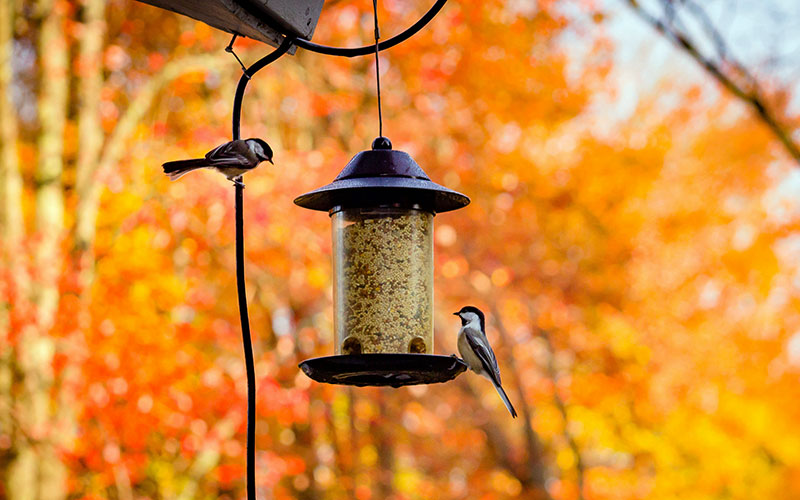
Learn how to clean feeders, choose birdseed, maintain fresh water, and provide natural food for backyard birds throughout autumn.
Autumn is a good time to prepare bird feeders, check your birdseed supply, and make your garden more welcoming to resident and migrating birds. Clean feeders, fresh food, reliable water, and naturally occurring seeds and berries can all help support backyard birds as the seasons change.
Prepare and Clean Bird Feeders for Fall
Before filling your feeders for autumn, inspect them for damage and clean away old food and accumulated debris. Wet seed, mold, and bird droppings can make feeding areas unhealthy, so regular maintenance is an important part of responsible bird feeding.
Clean and Repair Your Feeders
Empty each feeder and remove old seed, hulls, and other debris. Scrub the feeder with an appropriate brush and a suitable cleaning solution, following the manufacturer’s instructions. Rinse thoroughly and let all parts dry completely before adding fresh seed.
As a general starting point, clean seed feeders about every two weeks. Clean them more often during wet weather, periods of heavy use, or whenever food or feeder surfaces become dirty. Also clear away accumulated seed and waste beneath feeders.
Inspect each feeder for loose nails, cracked pieces, damaged perches, blocked drainage holes, and unstable hanging hardware. Repair or replace damaged parts before putting the feeder back into use.
Choose feeders that are easy to take apart and clean. Good drainage helps prevent seed from becoming wet and spoiled.
Related: 5 Fall Garden Tasks for More Flowers Next Spring
What to Put in Bird Feeders in Fall
Different birds prefer different foods, so offering suitable options can help attract a wider variety of backyard visitors. Choose food based on the birds in your area, and avoid filling feeders with more seed than the birds can consume while it remains fresh.
Choose the Right Birdseed
Black oil sunflower seed is a useful starting point for many backyard bird feeders. Its relatively thin shell makes it easier for many seed-eating birds to open.
Other options include:
- Black oil sunflower seed: A versatile choice for many common backyard birds, including finches, chickadees, and cardinals.
- Millet: Often eaten by sparrows, juncos, and mourning doves.
- Nyjer seed: A small seed commonly used to attract finches, particularly goldfinches.
- Cracked corn: Can attract ground-feeding birds, including mourning doves.
- Suet: A fat-rich food that can be useful for woodpeckers and other birds that eat it, particularly as temperatures cool.
These foods are not interchangeable, and no single seed will attract every bird. If a mixed seed blend leaves large amounts of unwanted food behind, try offering a smaller selection of individual seed types in appropriate feeders.
Store birdseed in a cool, dry place in a secure container. Check the feeder regularly and discard any seed that becomes wet, moldy, discolored, or otherwise spoiled. Avoid allowing food to accumulate for long periods, especially during damp weather.
Provide More Than One Feeding Station
Several feeding stations can give more birds access to food when one feeder becomes crowded. A woodpecker may spend considerable time at a suet feeder, leaving little opportunity for other birds to feed.
Consider using different feeder designs for different foods. Tube and hopper feeders suit many seed types, while suet cages are designed for suet products. Tray feeders can accommodate a variety of birds, but their broad feeding surfaces require particular attention to hygiene.
If you use a low tray for cracked corn, place it where you can monitor the feeding area, clean up spilled food, and reduce exposure to predators. Keep the surrounding ground free of accumulated seed and droppings.
Keep Fresh Water Available for Birds
Fresh water is important to birds throughout the year. A clean birdbath provides a place to drink and bathe, even when natural water sources become less accessible.
Refill the birdbath with fresh water regularly and clean it at least weekly, or more often if it becomes dirty. A shallow basin with a gently sloping edge gives birds a more accessible place to drink and bathe.
During freezing weather, check the birdbath frequently and remove ice so water remains available when possible. Avoid using chemicals or additives in the water.
Related: Fall Pond Care: How to Prepare a Backyard Pond for Winter
Provide Natural Food in the Fall Garden
Bird feeders are only one way to support backyard birds. A garden that provides seeds, berries, insects, and shelter can offer natural resources to resident birds and species passing through during migration.
Leave Some Seeds and Berries for Birds
Keep an eye on the berries and fruits growing in your yard. These can provide valuable food for birds during autumn migration and later in the season.
Virginia creeper, which sprawls through my garden as a groundcover, offers its midnight-blue berries in early fall, when vireos and orioles may be passing through. Fox grape vines winding among the treetops provide fruit that can attract later migrants, including rose-breasted grosbeaks and tanagers.
The particular birds you see will depend on your location, the season, and the food sources available nearby.
You can also provide natural food by leaving suitable seed heads on flowers and grasses rather than cutting everything back at the end of summer. Sunflowers, coneflowers, black-eyed Susans, and other seed-producing plants can offer food to birds.
Leave some plant stems and seed heads standing through autumn where practical. This approach can also preserve shelter and habitat for insects that form part of many birds’ diets.
Avoid using pesticides wherever possible in areas intended to support wildlife. A garden with a variety of plants and natural food sources can benefit birds beyond the autumn feeding season.
Watch for Native Sparrows
Listen for quiet twitters and sharp chip notes that may reveal song sparrows, white-throated sparrows, and other small native sparrows around your yard.
In fall, ripening seeds on garden plants, grasses, and other vegetation can attract flocks of these little brown birds, often called LBBs in birding terminology.
They may visit a productive patch of seed-bearing plants for a morning or remain in the area for several days. Because they are small, quick-moving, and often wary of people, you may hear them more often than you see them.
If you want to encourage these birds, preserve suitable seed-producing plants and provide a mixture of natural food sources and clean supplementary feeders where appropriate.
Plant Berry-Producing Shrubs for Birds
Trees, shrubs, and vines can provide food and shelter for birds throughout the year. Berry-producing plants are especially useful when their fruit ripens during autumn or remains available into winter.
When shopping at garden centers and nurseries, look for suitable viburnums, hollies, and other shrubs that produce fruit for wildlife. Choose plants that fit your growing region, available space, soil conditions, and sunlight.
Check the mature size of each shrub before planting. Some viburnums become large, spreading plants, while other varieties remain relatively compact. Fruiting also varies by species and cultivar, so check whether the plant provides berries during the season when you want to support birds.
Native plants suited to your region are often a useful starting point when designing a bird-friendly garden. Local extension services and knowledgeable native-plant nurseries can help you choose appropriate species.
Planting established shrubs can provide food as soon as fruit is available, although newly planted shrubs still need time to develop and establish themselves.
One September, I brought home three deciduous hollies. While I was planting the first one, cedar waxwings descended on the shrubs that were still in the pickup truck. The berries were already attracting birds before the plants had even reached their new home in the garden.
Related: Gardener’s October To-Do List by USDA Zone
Find End-of-Season Deals on Trees and Shrubs
If you love a bargain, check end-of-season sales at nurseries and garden centers. Trees and shrubs can represent a substantial investment when creating a bird-friendly yard, and some retailers offer discounts as the planting season winds down.
Selection varies by nursery, location, and year, so compare the available plants rather than assuming a particular discount will be offered.
Before buying a reduced-price plant, inspect its overall health, check the roots and branches where practical, and make sure it is suitable for your garden. A healthy plant that fits the site is a better long-term investment than a bargain that struggles to survive.
With thoughtful plant choices, you can create a garden that offers birds food, shelter, and places to rest throughout the changing seasons.
Frequently Asked Questions About Fall Bird Feeding
What Is the Best Birdseed to Use in Fall?
Black oil sunflower seed is a useful choice for many backyard birds. Millet can attract sparrows and doves, while nyjer seed is commonly used for finches. The best option depends on the birds in your area and the feeder you use.
How Often Should Bird Feeders Be Cleaned?
A practical starting point is to clean seed feeders about every two weeks, with more frequent cleaning during wet weather, heavy use, or when contamination becomes visible. Remove spoiled seed and accumulated waste, rinse cleaned feeders thoroughly, and allow them to dry before refilling.
Hummingbird feeders need more frequent attention because sugar water can spoil. Follow appropriate hummingbird-feeder hygiene guidance and clean the feeder regularly.
Should I Leave Bird Feeders Out During Fall Migration?
In North America, you generally do not need to remove feeders to encourage birds to migrate. Migration is influenced by seasonal and environmental cues, and feeders do not prevent birds from beginning their journeys.
Keep feeders clean and food fresh, and follow local wildlife guidance if disease concerns arise in your area. For hummingbirds, keep nectar feeders available while birds are still visiting and maintain them carefully.
What Plants Provide Natural Food for Birds in Fall?
Seed-producing flowers, grasses, berry-bearing shrubs, and fruit-producing trees can provide natural food for birds. Examples include sunflowers, coneflowers, black-eyed Susans, suitable viburnums, and hollies. Choose species that grow well in your region and provide food at useful times of the year.