
5 Fall Garden Tasks for More Flowers Next Spring
A little fall preparation can help perennial flowers establish strong roots, improve the soil, and set the stage for a colorful spring garden.
Fall is more than the end of the gardening season. It is an important time to prepare perennial flower beds, improve the soil, plant spring-flowering bulbs, and protect plants through winter.
Most of the advice in this article applies to perennial flowers and fall-planted spring bulbs. Annual flowers are different. Annuals complete their life cycle in one growing season, although some hardy annuals can be sown in fall and some plants may reseed themselves.
The exact timing also depends on your climate and the plants you’re growing. In general, fall is a good time to work with the soil while it is still workable and to give newly planted perennials and bulbs time to establish before winter. Get started with these five fall garden tasks:
1. Improve Your Flower Garden Soil With Compost
Healthy soil is the foundation of a healthy flower garden, and fall is a good time to improve it.
Compost adds organic matter to the soil and can improve its structure, fertility, and ability to hold water. It can also be used as a mulch around established perennial plants.
If you’re preparing a new flower bed, work finished compost into the soil as part of the bed preparation. For an established perennial garden, there is usually no reason to dig deeply around the plants just to add compost. Instead, spread a layer of compost over the soil around the plants, keeping it away from the crowns and stems.
This approach adds organic matter without unnecessarily disturbing established roots.
If your soil is compacted, poorly drained, or lacking organic matter, improving the soil can be more valuable than simply adding fertilizer. Good soil gives roots a better environment for taking up water and nutrients throughout the growing season.
Related: Gardener’s September To-Do List by USDA Zone
2. Plant Perennials Carefully and Protect Their Roots
Fall can be an excellent time to plant many perennial flowers, provided the plants are suited to your climate and the ground is not frozen or waterlogged. Newly planted perennials can establish roots while conditions are favorable before winter arrives.
When planting a perennial, handle the root ball carefully. Don’t unnecessarily tear apart healthy roots, but pay attention to severely circling roots on plants that have been growing in containers for a long time.
Dig a hole wide enough to accommodate the roots without forcing them into a tight space. Set the plant at the depth recommended for that particular perennial, then firm the soil around the roots and water thoroughly. Newly planted perennials should be watered regularly during their first year while they become established.
Plant Perennials at the Correct Depth
One planting rule does not work for every perennial.
Instead of automatically planting every crown above the soil, follow the planting instructions for the specific plant. The goal is to cover the roots while keeping the plant’s crown or growing points at the appropriate depth. Planting too deeply can cause problems for some plants, while other perennials have their own specific planting requirements.
This is especially important when planting different types of flowers in the same garden. A peony, iris, hosta, and other perennial plants should not necessarily be planted at the same depth.
3. Plant Spring-Flowering Bulbs in Fall
If you want more flowers in spring, don’t overlook fall-planted bulbs.
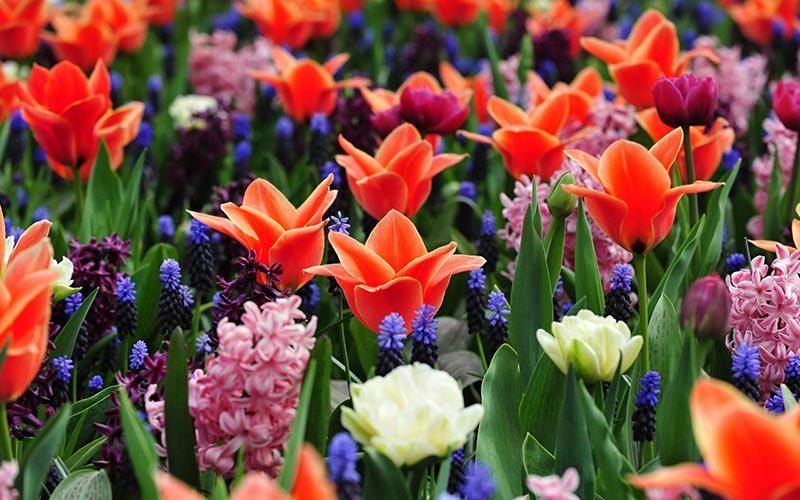
Tulips, daffodils, crocuses, hyacinths, and many other spring-flowering bulbs are planted while dormant in the fall. Planting them before winter gives them time to develop roots before spring growth begins.
Choose a location with the light and drainage required by the bulbs you’re growing. Poor drainage can cause problems, so avoid planting bulbs where water regularly collects.
Planting depth varies by bulb, so check the instructions that come with the bulbs rather than using the same depth for every variety. As a general guideline, many bulbs are planted at a depth of roughly two to three times their height, but individual bulbs can differ.
After planting, water the area thoroughly to settle the soil and encourage root growth. In areas with very cold winter temperatures, a layer of mulch can provide additional protection after the ground freezes.
Related: How to Grow Tulips: A Complete Organic Guide to Planting, Care, and Reblooming
4. Fertilize Only When Your Soil Needs It
More fertilizer does not automatically mean more flowers.
Most established perennials growing in reasonably fertile garden soil do not need routine feeding. If plants are performing poorly or you suspect a nutrient deficiency, a soil test can help determine whether additional nutrients are actually needed.
Compost should remain your primary tool for building healthy garden soil. If a soil test or the needs of a particular plant indicate that additional fertilizer is appropriate, choose a suitable fertilizer and follow the package directions.
Avoid adding fertilizer simply because it is fall. The needs of individual plants vary, and excessive nutrients can encourage unwanted leafy growth rather than solving the underlying problem.
This is particularly important for gardeners growing organically. Building good soil over time is generally more useful than relying on repeated applications of fertilizer.
5. Mulch the Flower Garden Before Winter
A layer of organic mulch can help protect the soil as temperatures change.
Mulch helps conserve moisture, suppress weeds, and protect soil from temperature fluctuations. Organic materials such as finished compost, shredded leaves, and other suitable garden mulch can gradually add organic matter as they break down.
For perennial beds, a mulch layer of about 2 to 3 inches is commonly recommended. Keep the mulch away from the crowns and stems of plants rather than piling it directly against them.
Newly planted perennials and fall-planted bulbs can benefit from appropriate winter protection, particularly where temperatures drop sharply. The goal is to protect the soil and roots without smothering the plants.
You also don’t necessarily need to cut every perennial down to the ground in fall. Depending on the plant, some stems and seed heads can remain through winter, while diseased or damaged foliage may need to be removed.
What About Annual Flowers?
Annuals need different fall care because they complete their life cycle in one growing season.
Instead of preparing the same plant to return next spring, you may collect seeds, allow suitable plants to reseed, remove spent annuals, or prepare the bed for new plants next year.
Some hardy annuals can also be sown directly in fall. Fall sowing can allow certain hardy annuals to establish before winter and flower earlier the following year than spring-sown plants. Tender and half-hardy annuals generally require different treatment because they do not tolerate frost.
Related: 5 Ways to Make Your Garden More Bee-Friendly
When Should You Prepare Your Flower Garden in Fall?
There isn’t one perfect fall gardening date for every flower or every region.
Many perennials can be planted in fall while the soil remains workable and moist, but tender plants may be better planted in spring. Avoid planting when the ground is frozen or waterlogged.
Spring bulbs also have their own planting windows. Check the requirements for the bulbs you’re growing and give newly planted bulbs and perennials enough time to establish before severe winter conditions arrive.
Your local climate, soil, and the specific plants in your garden should determine the exact timing.
Prepare Now for a Better Spring Garden
A successful spring flower garden starts before spring arrives.
Improve the soil with compost, plant perennials at the correct depth, give new plants plenty of water while they establish, put spring-flowering bulbs in the ground at the right time, and use mulch to protect the soil through winter.
You don’t need to do everything at once. Start with the condition of your soil and the plants you already have, then work through the fall tasks that make sense for your garden.
A few hours of thoughtful preparation in fall can give your flower garden a much better foundation for the growing season ahead.