
Gardener’s September To-Do List by USDA Zone
Everything that needs to be done in the dirt this month, wherever you live.
September is a month of transition in the garden. In colder climates, the focus turns to harvesting, protecting tender plants from frost, and preparing beds for winter. In warmer areas, September can mark the beginning of a productive fall and winter growing season.
Use this September gardening checklist as a guide, but remember that USDA hardiness zones are only one part of the picture. Local frost dates, rainfall, temperatures, and microclimates can all affect when particular gardening jobs should be done.
Zones 3–4
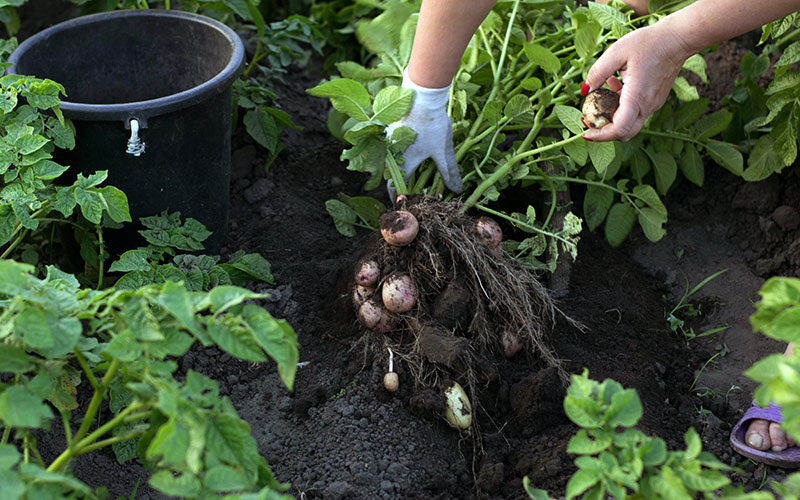
- Harvest remaining tomatoes, cucumbers, corn, potatoes, squash, apples, and other mature crops before damaging frost.
- Keep an eye on the forecast and have row covers ready to protect tender plants from an early frost.
- Harvest onions after their tops have fallen and allow them to cure thoroughly before storage.
- Bring mature green tomatoes indoors to finish ripening if frost threatens.
- Collect dry seed from healthy open-pollinated flowers and vegetables you want to grow again next year.
- Dig tender bulbs, corms, and tubers, such as dahlias and cannas, before cold weather damages them.
- Plant spring-flowering bulbs when conditions are appropriate in your area.
- Clean up spent crops and add healthy plant material to the compost pile.
- Spread finished compost over cleared garden beds.
- Make room in the compost pile for the leaves that will soon begin to fall.
Related: How to Freeze Corn From the Garden
Zones 5–6
- Continue harvesting tomatoes, peppers, beans, squash, potatoes, and other late-summer crops.
- Sow spinach and other cool-season greens according to your local frost date.
- Plant spring-flowering bulbs for next year’s garden.
- Plant garlic at the appropriate time for your local climate and expected winter conditions.
- Divide overgrown herbaceous perennials and replant healthy divisions.
- Plant hardy perennials while the soil is still warm and conditions are suitable.
- Dig tender bulbs and tubers before damaging frost arrives.
- Add compost to beds as summer crops are removed.
- Sow a locally appropriate cover crop in beds that will remain empty through winter.
- Repair bare lawn areas if fall is a suitable grass-seeding season where you live.
Zones 7–8
- Sow or transplant cool-season crops, including lettuce, spinach, kale, carrots, beets, turnips, and other appropriate fall vegetables.
- Plant broccoli, cabbage, cauliflower, and kale transplants for fall and winter harvests.
- Continue harvesting late-summer vegetables and herbs.
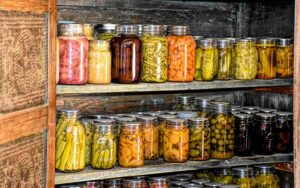
- Harvest and preserve surplus herbs for winter use.
- Set out pansies and other cool-season flowers for fall color.
- Add compost to planting beds before sowing or transplanting fall crops.
- Continue watering newly planted vegetables and flowers as needed.
- Check irrigation systems and make repairs before the weather changes further.
- Keep weeds from setting seed.
- Watch for late-season pests and disease problems and remove affected plant material promptly.
Related: How to Preserve Your Garden Harvest: A Quick Guide to Freezing, Drying, and Storage
Zones 9–10
- Prepare garden beds with compost for the main fall and winter growing season.
- Plant lettuce, peas, carrots, cabbage-family crops, Asian greens, and other locally appropriate cool-season vegetables.
- Continue harvesting tomatoes, peppers, eggplant, okra, herbs, and other productive warm-season crops.
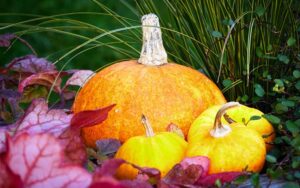
- Harvest winter squash and pumpkins when mature and before cold weather or wet conditions cause problems.
- Plant pansies and other appropriate cool-season flowers.
- Refresh mulch around plants where needed to help conserve moisture and moderate soil temperatures.
- Inspect and repair drip irrigation lines and other watering equipment.
- Continue watering newly planted crops consistently while they become established.
- Keep weeds under control before they flower and set seed.
- Monitor the garden for pests and disease as temperatures begin to moderate.
September Garden Tasks for All USDA Zones
Harvest and Preserve the Garden
September is prime harvest season for many gardeners. Pick ripe vegetables regularly so plants can continue producing for as long as conditions allow.
Harvest storage crops when they are mature and cure them properly before long-term storage. Continue gathering apples, pears, berries, squash, potatoes, onions, and other crops as they reach maturity.
If frost is approaching, harvest tender vegetables such as tomatoes and peppers before they are damaged. Mature green tomatoes can be brought indoors to continue ripening.
Plant Fall and Winter Crops
September is an important planting month for many cool-season vegetables. Depending on your climate and expected frost dates, you may still be able to plant or sow:
- Spinach
- Lettuce
- Kale
- Cabbage
- Broccoli
- Carrots
- Beets
- Radishes
- Turnips
- Asian greens
Planting dates vary widely, so use your local first-frost date and expected weather conditions to determine which crops still have enough time to mature.
Related: How to Grow Broccoli: A Complete Guide to Planting, Care, and Harvest
Prepare Garden Beds for Winter
As summer crops finish producing, clear healthy plant material from garden beds. Pull weeds before they set seed and add finished compost to beds that need organic matter.
Consider sowing a cover crop in beds that will remain unused through winter. Cover crops can help protect bare soil and capture nutrients that might otherwise be lost.
Keep diseased plant material out of the home compost pile unless you know your composting system gets hot enough to process it safely.
Plant Bulbs and Perennials
September is a good time in many areas to begin planting spring-flowering bulbs. Choose well-drained planting locations and follow the requirements for each type of bulb.
Early fall can also be a good time to plant hardy perennials while soil remains warm. Divide overcrowded herbaceous perennials as appropriate and replant the healthiest sections.
Save Seeds
Collect seeds from healthy, open-pollinated plants after the seedheads or pods have dried.
Label each seed collection clearly and store seeds in a cool, dry place. September is also a good time to make notes about which varieties performed well and which garden problems you want to address next year.
Prepare for Frost
Gardeners in colder areas should begin paying close attention to overnight temperatures.
Keep row covers and other frost-protection materials ready. Harvest tender crops before a hard freeze and move containers or tender plants to protected locations when necessary.
Remember that some cool-season crops can tolerate light frost better than warm-season vegetables.
Keep the Compost Pile Working
September cleanup can provide plenty of material for the compost pile. Add healthy spent plants, leaves, and other suitable garden debris in manageable layers.
Avoid adding large amounts of fresh grass clippings all at once, since thick layers can become wet and poorly aerated. Mix green materials with dry leaves or other brown materials to help maintain a balanced pile.
Quick September Gardening Checklist
- Harvest mature vegetables and fruit regularly.
- Watch the forecast for the first frost in colder regions.
- Harvest tender crops before damaging frost.
- Plant cool-season vegetables where appropriate.
- Save seeds from healthy open-pollinated plants.
- Dig and store tender bulbs and tubers before frost.
- Plant spring-flowering bulbs where appropriate.
- Divide or plant hardy perennials.
- Add finished compost to cleared beds.
- Sow cover crops in unused garden beds.
- Remove weeds before they set seed.
- Clean up healthy spent plants and garden debris.
- Inspect irrigation equipment and adjust watering for changing weather.
- Begin preparing the garden for fall and winter.