
How to Grow Broccoli: A Complete Guide to Planting, Care, and Harvest
Learn how to grow broccoli successfully with the right planting time, soil preparation, watering, and harvesting techniques for productive home garden crops.
Broccoli is one of the most rewarding vegetables to grow in a home garden. Freshly harvested broccoli heads are rich in vitamins and minerals, and the flavor is far better than store-bought. The tender florets are excellent raw in salads, lightly steamed, or added to many cooked dishes.
Broccoli plants can also be surprisingly productive. After the main head is harvested, many varieties continue producing smaller side shoots for weeks. With the right timing and care, gardeners can harvest broccoli from both spring and fall plantings.
In addition to standard heading broccoli, there are also closely related crops such as broccoli raab and Chinese broccoli. These fast-growing, cool-season vegetables produce small flowering shoots that can be eaten whole, including the buds, stems, and leaves.
Why Grow Broccoli in a Home Garden
Broccoli is a cool-season vegetable that grows best during mild temperatures. It performs especially well in spring and fall gardens, when days are warm but not hot and nights remain cool.
Home gardeners value broccoli because it is:
- Highly nutritious and versatile in the kitchen
- Productive even in small gardens
- Capable of producing multiple harvests from side shoots
- Well suited to organic growing methods
With proper planting time and steady growth, broccoli can provide a long harvest window compared with many other vegetables.
Broccoli Varieties to Grow
Different broccoli varieties vary in maturity time, head size, and whether they produce side shoots.
Traditional heading broccoli produces one large central head followed by smaller shoots. Popular varieties include:
- DiCicco – A classic heirloom that produces many tender side shoots after the main head is harvested.
- Waltham – A reliable variety known for cold tolerance and good side-shoot production.
Some varieties are bred for faster maturity, which is useful for spring planting when summer heat arrives quickly.
- Packman – A fast-maturing hybrid often used for spring crops.
For fall and winter planting in mild climates, slower-maturing varieties are often preferred.
- Marathon – A longer-season broccoli known for large heads and strong cold tolerance.
Two related vegetables are also commonly grown alongside broccoli:
- Broccoli raab – A fast-growing plant grown for its small flowering shoots.
- Chinese broccoli – A leafy vegetable with thick stems and small buds used widely in Asian cooking.
When to Plant Broccoli
Broccoli grows best in cool weather, ideally when temperatures range between about 60°F and 70°F. Planning the planting time so the heads mature during cool conditions is key to success.
In most regions, broccoli can be grown as both a spring and fall crop.
Spring crops are typically started indoors 7 to 9 weeks before the last expected frost. Seedlings are transplanted into the garden several weeks before the final frost date.
Related: How to Start Seeds Indoors and Grow Healthy Seedlings Every Time
Fall crops are often easier to grow because the plants mature as temperatures cool. Seeds can be started indoors or sown directly in the garden during mid-summer, usually in July or August depending on the climate.
In mild winter climates where the ground does not freeze, broccoli may also be planted in late fall for harvest the following spring.
Soil Preparation and Garden Bed Setup
Broccoli grows best in fertile, well-drained soil rich in organic matter. Because it is a heavy feeder, garden beds should be prepared with plenty of compost before planting.
Work finished compost into the soil several inches deep to improve fertility and soil structure. Broccoli prefers soil that holds moisture but still drains well.
The ideal soil pH for broccoli is about 6.0 to 7.0. Maintaining a slightly higher pH can also help reduce the risk of clubroot, a disease that affects cabbage-family crops. If soil is too acidic, adding garden lime before planting can help bring the pH closer to neutral.
Related: Preparing Garden Soil in Spring: When and How to Get Beds Ready for Planting
Planting Broccoli
Broccoli can be grown from transplants or started directly from seed.
For spring crops, many gardeners start seeds indoors 7 to 9 weeks before the last frost. Under ideal conditions, broccoli seeds typically germinate within 4 to 7 days.
After germination, place seedlings in a bright sunny location or under grow lights. Keep temperatures around 60°F to 65°F and maintain evenly moist soil without allowing it to become waterlogged.
Seedlings are usually ready to transplant when they are about 4 to 6 inches tall and have developed two to four true leaves. True leaves are the leaves that appear after the first small seed leaves.
Before planting outdoors, harden off seedlings by gradually exposing them to outdoor conditions for about a week.
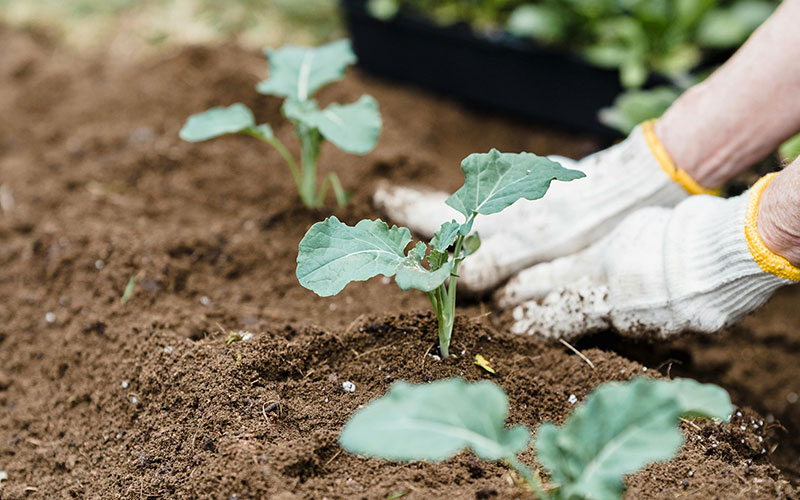
Transplant broccoli seedlings slightly deeper than they were growing in their containers. Space plants about 1 to 2 feet apart in rows that are 2 to 3 feet apart. Wider spacing allows larger heads to develop, while closer spacing produces smaller heads.
Firm the soil gently around the plants and water well after transplanting.
Protect young plants from temperature extremes. Extended periods of cold nights near freezing combined with mild daytime temperatures can cause plants to form small premature heads, a condition called buttoning. Sudden warm weather may cause heads to loosen and begin to flower too early.
Row covers or cloches can help protect plants from both cold temperatures and insect pests early in the season.
Growing Guidelines for Healthy Plants
Broccoli grows best when it develops steadily without interruptions. Stress from drought, poor soil fertility, or extreme temperatures can reduce head size or cause premature flowering.
Two to three weeks after transplanting, begin feeding plants with organic fertilizer. Many gardeners apply compost tea, fish emulsion, or blood meal as a side dressing. Repeat light feedings about once a month until about a week before harvesting the main head.
Consistent growth encourages larger central heads and promotes continued production of tender side shoots after the first harvest.
Cultivate the soil lightly around young plants to remove weeds and keep the soil surface loose.
Watering, Feeding, and Mulching
Broccoli requires steady moisture to develop tender stems and full heads. Most gardens should provide about 1 to 1½ inches of water per week through rainfall or irrigation.
Allowing the soil to dry out can cause tough stems and reduced head development. During dry periods, water deeply so moisture reaches the plant roots.
Mulching can help maintain consistent soil moisture and moderate soil temperature. When daytime temperatures rise above about 75°F, apply a thick layer of organic mulch such as straw, shredded leaves, or compost around the plants.
Mulch also helps suppress weeds and improves soil health as it breaks down.
Common Broccoli Pests
Although broccoli is often less affected by pests than some other cabbage-family vegetables, several insects may still appear in the garden.
Common pests include:
- Aphids – Small sap-sucking insects that cluster on stems and leaf undersides.
- Cabbage loopers – Green caterpillars that chew irregular holes in leaves.
- Imported cabbageworms – Velvety green caterpillars that feed on leaves and buds.
- Cabbage maggots – Larvae that attack plant roots.
- Cutworms – Caterpillars that cut off young seedlings near the soil line.
- Flea beetles – Small jumping beetles that create tiny holes in leaves.
Other occasional pests include slugs, mites, and harlequin bugs.
Slugs chew large holes in leaves, especially in damp weather. Mites are tiny pests that cause yellow stippling on foliage. Harlequin bugs are black insects with bright red or orange markings that feed on plant sap.
Many pests can be managed organically by hand-picking insects, spraying plants with insecticidal soap, or protecting plants with floating row covers.
Common Broccoli Diseases
Broccoli diseases are usually prevented through good garden hygiene and crop rotation.
Black leg produces dark spots on leaves and stems. Black rot causes yellowing leaves with dark veins and can produce a foul odor as tissues break down.
Clubroot affects the roots of cabbage-family plants, causing swollen or distorted roots and weak growth. If clubroot appears, remove and destroy infected plants and avoid planting brassicas in the same area for several years.
Leaf spot produces enlarging water-soaked spots that eventually turn brown or purplish gray.
Fusarium wilt, sometimes called yellows, causes lower leaves to turn yellow and drop off while plants become stunted and develop bitter heads.
Destroy infected plants to prevent disease from spreading and rotate crops regularly to reduce disease pressure.
Harvesting Broccoli
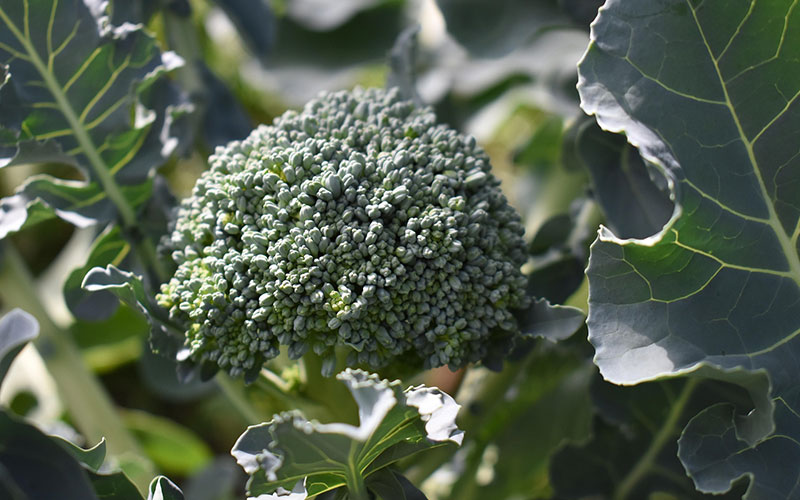
Broccoli should be harvested before the flower buds begin to open and turn yellow. The central head should be firm and made up of tightly packed green buds.
Using a sharp knife, cut the main head from the plant just below where the stem begins to branch, leaving several inches of stem attached. Many varieties will then begin producing smaller side shoots along the main stalk.
These side shoots can be harvested repeatedly for several weeks, extending the harvest season until hot weather or a hard freeze stops plant growth.
Occasionally, small cabbage loopers or cabbageworms may hide inside the harvested heads. To remove them before cooking, soak the broccoli in warm water with a small amount of vinegar for about 15 minutes.
Freshly harvested broccoli can be refrigerated for up to two weeks if kept cold and dry.