
How to Preserve Your Garden Harvest: A Quick Guide to Freezing, Drying, and Storage
Not interested in canning? Preserve your homegrown vegetables and fruit for later with these simple freezing, drying, and storage methods.
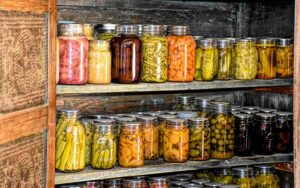
Canning is a great way to preserve a garden harvest, but it isn’t the only option. If you don’t want to spend hours preparing jars, processing batches, and cleaning up the kitchen, freezing, drying, and proper storage can give you simpler ways to enjoy your harvest later.
The best method depends on what you’ve grown and how you plan to use it. Some vegetables freeze beautifully, some are better dried, and others can simply be stored under the right conditions. Use this quick guide to find the preservation method that makes the most sense for each crop.
You Don’t Have to Can Everything
A big harvest doesn’t have to mean a big canning project. Freezing is often an easy choice for vegetables and fruit you’ll use in cooked dishes, baking, smoothies, and desserts. Drying concentrates flavor while taking up very little storage space, and some crops can keep for months with proper storage alone.
The goal isn’t to preserve everything the same way. Choose the method that fits the crop and the way you want to use it later.
Quick Guide to Preservation Methods
Freezing
Freezing is one of the simplest ways to preserve many garden vegetables and fruits. Depending on the crop, it may involve blanching first, while other produce can go straight into the freezer. Frozen produce is especially useful for soups, sauces, casseroles, baking, smoothies, and other cooked dishes.
Drying
Drying removes moisture and concentrates the flavor of fruits and vegetables while greatly reducing their volume. A food dehydrator is the most predictable option, although some produce can also be dried using other methods. Dried food is useful for snacks, seasonings, soups, stews, and other dishes.
Storage
Some garden crops don’t need to be processed at all. Onions, carrots, pumpkins, and other storage crops can last for months when properly cured and kept under suitable conditions. For these crops, good storage can be the easiest preservation method of all.
How to Preserve Your Garden Harvest
Tomatoes
Primary methods: Freeze or dry
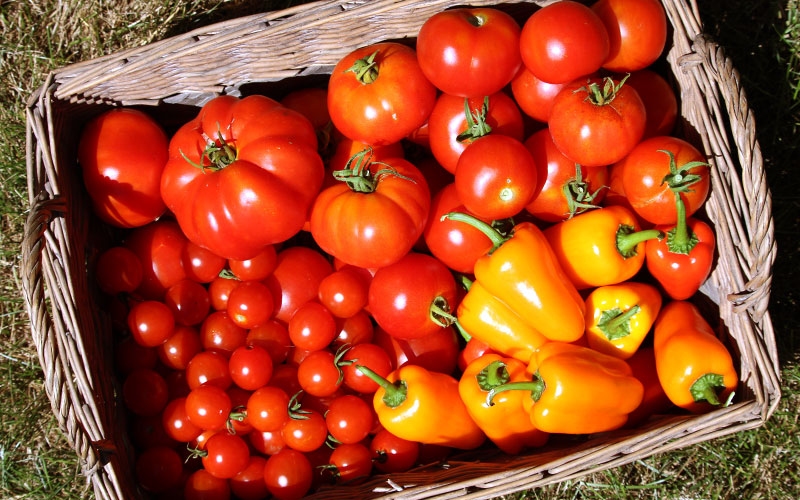
Tomatoes are especially versatile for preservation. Freeze them for sauces, soups, and other cooked dishes, or dehydrate them when you want concentrated tomato flavor in a compact form. Freezing is a particularly simple choice for a large harvest, while drying works well when you want tomatoes that take up much less storage space.
Corn
Primary method: Freeze
Freezing is the easiest way to preserve the sweet flavor of garden corn for winter. You can freeze corn on the cob or preserve the kernels for convenient use in soups, casseroles, side dishes, and other recipes. If you’ve harvested more corn than your family can eat fresh, freezing gives you an easy way to save that summer flavor.
Related: How to Freeze Corn From the Garden
Peppers
Primary methods: Freeze or dry
Both sweet and hot peppers are excellent candidates for freezing or drying. Freeze peppers when you want convenient pieces to add to cooked dishes such as soups, sauces, stir-fries, and casseroles. Dry them when you want concentrated flavor for chili, seasoning blends, or homemade pepper flakes.
Beans
Primary method: Freeze
Green beans are well suited to freezing and make an easy addition to winter meals. Freezing is especially useful when you want to preserve the beans for side dishes, soups, stews, and casseroles. For the best quality, prepare and freeze fresh beans soon after harvesting rather than letting them sit around for several days.
Peas
Primary methods: Freeze or dry
Fresh garden peas are best preserved by freezing, which keeps them handy for soups, side dishes, casseroles, and other meals. Mature shelled peas can also be dried for use in soups and stews. Edible-pod peas such as snow peas and sugar snap peas are better suited to freezing than drying.
Cucumbers
Primary method: Freeze for specific uses
Cucumbers can be frozen, but don’t expect them to have the same crisp texture after thawing. Freezing makes more sense when you’ll use cucumbers in chilled soups, smoothies, frozen drinks, or purees. If you have an abundance of cucumbers, preservation can give you another use for the harvest beyond pickling.
Carrots
Primary methods: Store, freeze, or dry
Carrots are one of the more versatile storage crops. In areas with suitable winter conditions, they can sometimes be left in the ground and harvested as needed, while gardeners in colder climates may choose to store, freeze, or dry them. Frozen carrots are useful in cooked dishes, while dried carrots can be used in soups, stews, and seasoning mixes.
Onions
Primary methods: Store, freeze, or dry
Firm storage onions can last for months when properly cured and kept in a cool, dry, well-ventilated place, making storage the first choice for many varieties. Sweet, mild onions generally don’t keep as long, so freezing or drying can help preserve them for cooking. Dried onions can also be turned into flakes or powder for seasoning.
Broccoli
Primary method: Freeze
Freezing is a practical way to preserve an excess of garden broccoli for winter meals. Frozen broccoli is best used in cooked dishes such as soups, casseroles, stir-fries, and side dishes. Because broccoli is generally prepared for the freezer by blanching first, a large harvest can be handled in batches as it comes in from the garden.
Related: How to Grow Broccoli: A Complete Guide to Planting, Care, and Harvest
Pumpkins
Primary methods: Store or freeze
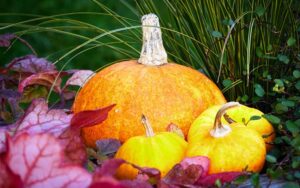
Many pumpkins can be stored for months under suitable conditions, so you may not need to process the entire harvest right away. Properly stored pumpkins can be used throughout the winter, while cooked pumpkin can be frozen for later use in pies, breads, soups, and other recipes. Choose storage when you have the right conditions and freezing when you want ready-to-use pumpkin.
Summer Squash + Zucchini
Primary methods: Freeze or dry
Summer squash and zucchini can be frozen, although their texture becomes softer after thawing. That makes frozen squash best for soups, breads, casseroles, and other cooked dishes rather than fresh preparations. You can also dehydrate zucchini for compact storage and use the dried pieces as a snack or in other dishes.
Eggplant
Primary method: Freeze for cooked dishes
Eggplant can be prepared for the freezer, but its texture will change after thawing, so preserved eggplant is best used in cooked dishes. Think casseroles, sauces, stews, and other recipes where a softer texture isn’t a problem. Freezing can be a practical way to save an especially productive harvest without trying to can it.
Strawberries
Primary methods: Freeze or dry
Freezing is one of the easiest ways to preserve strawberries at their peak and gives you fruit for smoothies, desserts, sauces, baking, and other recipes throughout the year. You can also dry strawberries to create a concentrated fruit snack that takes up much less storage space than fresh berries.
Related: How to Dehydrate Strawberries
Watermelon + Cantaloupe
Primary methods: Freeze or dry
Frozen watermelon and cantaloupe are best used in smoothies, slushies, frozen drinks, and other cold preparations because their texture changes after thawing. Drying offers another way to concentrate the fruit’s flavor and create a compact snack. If you’re dealing with more melon than your family can eat fresh, either method can help reduce waste.
Raspberries
Primary methods: Freeze or dry
Raspberries are highly perishable, so preserving them soon after harvest is the best way to capture their peak flavor. Freeze them for desserts, smoothies, baking, sauces, and other recipes, or dry them for a concentrated fruit snack. Either method is useful when the garden produces more berries than you can eat fresh.
Blueberries
Primary method: Freeze
Blueberries are particularly easy to preserve by freezing. Frozen berries can go straight into smoothies and many baked goods, or they can be thawed for cereal, desserts, sauces, and other uses. Freezing is a simple choice when you want to preserve a large blueberry harvest without spending much time in the kitchen.
Related: How to Grow Blueberries: A Complete Guide for Home Gardeners
Peaches + Nectarines
Primary methods: Freeze or dry
Peaches and nectarines are excellent candidates for freezing and drying. Freeze them for pies, crisps, smoothies, sauces, and other recipes, or dry them when you want concentrated sweetness in a compact fruit snack. Preserving them at peak ripeness gives you a way to enjoy the summer harvest long after the fresh fruit is gone.
Make the Most of Your Harvest
Preserving a garden harvest doesn’t have to mean spending an entire day in the kitchen. Freeze the crops that work well for winter cooking, dry the ones that benefit from concentrated flavor, and store the crops that naturally keep well.
Once you know which method fits each crop, you can preserve more of your harvest without making canning the default solution for everything.