
How to Dehydrate Strawberries
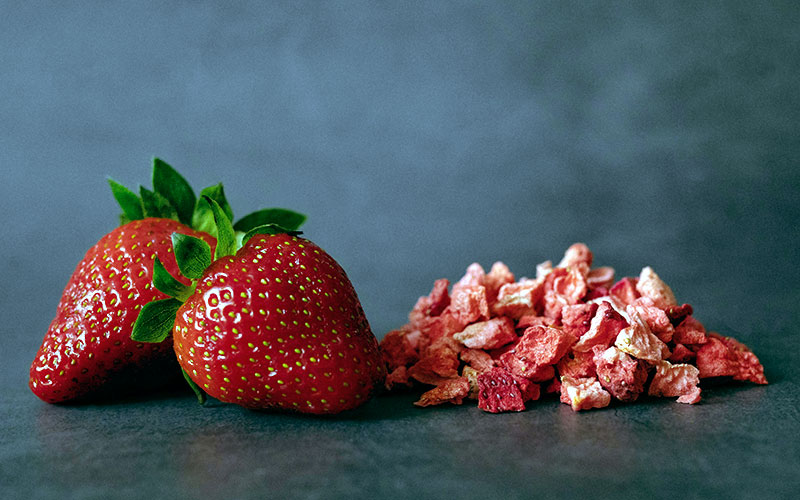
Turn fresh strawberries into sweet, chewy dried fruit with this simple dehydrator method, plus an oven option if you don’t have a dehydrator.
If your strawberry plants are producing more berries than you can eat fresh, dehydration is an easy way to preserve the harvest. Removing moisture concentrates the berries’ natural sweetness and turns fresh strawberries into a compact snack that takes up much less space than fresh fruit.
For the best results, start with ripe, good-quality strawberries and dehydrate them before they become soft or begin to spoil. A food dehydrator gives you the most controlled results, but you can also dry strawberries in a low oven if you don’t have one.
Related: How to Preserve Your Garden Harvest: A Quick Guide to Freezing, Drying, and Storage
Why Dehydrate Strawberries?
Dehydrating strawberries removes much of their moisture while concentrating their flavor. The result is sweet, chewy dried fruit that’s easy to store and use later in snacks, breakfast foods, baked goods, and desserts.
It’s also a useful alternative to freezing when you have a large harvest. A full basket of fresh berries can shrink considerably once the moisture is removed, making dried strawberries much easier to store.
How to Dehydrate Strawberries
1. Choose and Prepare the Strawberries
Start with ripe, firm strawberries that are free from mold and significant bruising. There’s no benefit to dehydrating fruit that’s already beginning to spoil.
Rinse the berries gently under cool running water rather than soaking them. Pat them thoroughly dry with clean towels, then remove the green tops and hulls. The strawberries should be as dry as practical before they go into the dehydrator.
2. Slice the Strawberries Evenly
Slice the strawberries into evenly sized pieces so they dry at roughly the same rate. Thinner slices will dry more quickly, while thicker slices will take longer and may retain more moisture in the center.
You don’t need every slice to be perfectly identical, but consistency makes it much easier to judge when the batch is finished.
3. Arrange the Strawberries on the Dehydrator Trays
Arrange the strawberry slices in a single layer on the dehydrator trays. Don’t overlap the pieces, and leave a little space between them so air can circulate around the fruit.
If you’re drying a large harvest, work in batches rather than crowding the trays. Good airflow is an important part of even dehydration.
4. Dehydrate the Strawberries
Set your dehydrator to about 135°F, a suitable starting temperature for water-rich fruit. Drying time will vary depending on the thickness of your slices, the size and moisture content of the berries, how full the trays are, and the particular dehydrator you’re using.
Start checking the strawberries after several hours rather than relying on an exact cooking time. In testing, strawberry slices have taken about five hours to dehydrate, but your batch may take longer or less time depending on the conditions.
The goal is to remove enough moisture to reach the texture you want without scorching or over-drying the fruit.
5. Check for Doneness
The finished texture depends partly on how you plan to use the strawberries.
For snacking, you may prefer strawberries that are pliable and chewy. If you’re preparing them for longer-term storage, they need to be dried more thoroughly so that no moist areas remain.
Check several pieces from different parts of the dehydrator rather than judging the entire batch from one slice. The strawberries should feel dry rather than wet or sticky with obvious moisture remaining inside.
Remember that dried fruit can become somewhat less flexible as it cools, so don’t judge the final texture while the strawberries are still warm.
6. Cool and Store the Dried Strawberries
Let the strawberries cool completely before packaging them. Store thoroughly dried berries in an airtight container and keep them somewhere cool, dark, and dry.
Moisture is the enemy of dried fruit. If you notice condensation or moisture collecting inside the container after storage, the strawberries weren’t dry enough for long-term storage. Return them to the dehydrator and dry them further before storing them again.
For the best quality, protect dried strawberries from humidity and keep the container tightly sealed.
Can You Dry Strawberries Without a Dehydrator?
Yes. A conventional oven can be used to dry strawberries, although it generally gives you less control over temperature and airflow than a food dehydrator.
Arrange the prepared strawberry slices in a single layer on a suitable drying surface and use a low oven temperature. One established oven method uses 275°F and dries the fruit slowly, with the slices turned and the pans rotated during the process. If the strawberries are still soft when the initial drying period is finished, continue drying until they reach the texture you want.
Because ovens vary considerably, keep a close eye on the fruit and use its texture as your guide. A slightly open oven door can help release moisture, but follow your oven manufacturer’s safety guidance when doing so.
How to Use Dried Strawberries
Dried strawberries make an easy snack on their own and can also be added to oatmeal, granola, yogurt, cereal, trail mix, baked goods, and desserts. You can leave them in slices or crumble them into smaller pieces for adding to other foods.
Tips for Better Dehydrated Strawberries
- Use ripe, good-quality strawberries rather than fruit that’s already beginning to spoil.
- Rinse the berries under cool running water and dry them thoroughly before slicing.
- Slice the strawberries evenly so they dry at a similar rate.
- Keep the slices in a single layer without overlapping them.
- Check the fruit as it dries rather than relying entirely on the clock.
- Let the strawberries cool completely before packaging.
- For longer-term storage, make sure the fruit is thoroughly dry and shows no signs of moisture after packaging.
- Store dried strawberries in an airtight container in a cool, dark, dry place.
Related: EWG Dirty Dozen 2026: The Most Pesticide-Contaminated Fruits and Vegetables
Preserve More of Your Strawberry Harvest
Dehydrating is one of the easiest ways to turn an abundance of fresh strawberries into a compact, flavorful food that you can enjoy long after strawberry season ends. If you have more berries than you can eat fresh, drying some of the harvest gives you another preservation option besides freezing or making preserves.