
How to Grow Blueberries: A Complete Guide for Home Gardeners
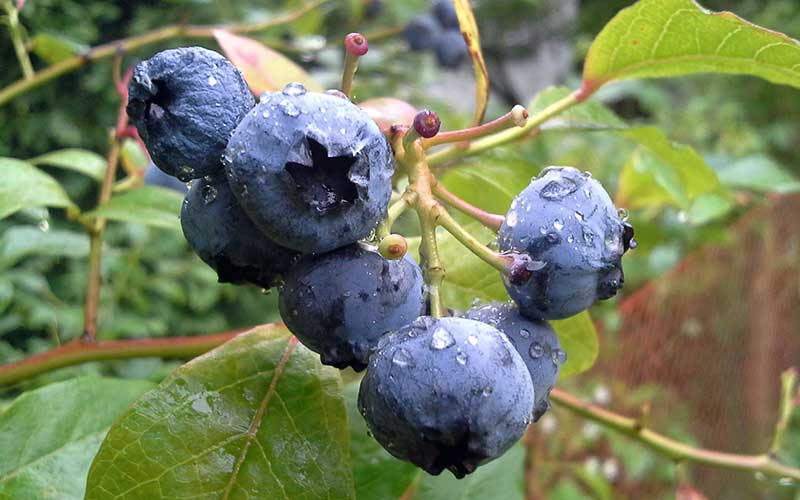
Everything you need to know to plant, grow, and care for blueberry bushes successfully.
Blueberries are one of the most rewarding fruits you can grow in a home garden. Once established, a healthy blueberry bush can produce fresh berries every summer for decades while adding spring flowers, colorful fall foliage, and food for pollinators to your landscape.
Unlike many fruit crops, blueberries don’t require constant attention. Their success depends far more on getting a few important details right at planting time than on complicated maintenance later. Choosing the right variety, providing acidic soil, and keeping the plants evenly watered will set you up for years of dependable harvests.
Whether you’re planting your first blueberry bush or adding more to an existing garden, this guide will walk you through the essentials of growing healthy, productive plants.
Quick Growing Requirements
- Sunlight: At least 6–8 hours of direct sun daily
- Soil pH: 4.5–5.5
- Soil: Well-drained, rich in organic matter
- Water: About 1–2 inches per week, including rainfall
- Mulch: 2–4 inches of pine bark, pine needles, or wood chips
- Fertilizer: Fertilizer formulated for acid-loving plants
- Pollination: Most varieties produce better when planted near another compatible variety
- Time to First Harvest: Typically 2–3 years after planting, with larger harvests as plants mature
- Lifespan: Often 20–50 years with proper care
Why Grow Blueberries?
Growing blueberries is an investment that pays off for many years. While they require some planning before planting, especially when it comes to soil preparation, mature bushes are relatively low-maintenance and can provide abundant harvests each summer.
Fresh blueberries are one of the most expensive berries to buy at the grocery store, making them an excellent choice for gardeners who want to grow more of the food they eat. Homegrown berries are often sweeter and more flavorful because they can be picked at peak ripeness instead of being harvested early for shipping.
Blueberry bushes also offer year-round landscape appeal. Delicate white or pink flowers appear in spring, followed by clusters of blue fruit in summer. Many varieties develop brilliant shades of red, orange, or burgundy in fall before going dormant for winter.
Their flowers provide an important early-season nectar source for bees and other pollinators, making blueberries a valuable addition to wildlife-friendly gardens.
Perhaps the biggest advantage is longevity. A properly cared-for blueberry bush can remain productive for decades, making it one of the longest-lasting fruit crops in a home landscape.
The key to enjoying all of these benefits is selecting the right type of blueberry for your climate and giving it the growing conditions it prefers.
Choosing the Right Blueberry Variety
Selecting the right blueberry variety for your climate is one of the first steps toward a successful harvest. Blueberries are commonly grouped into four main types, each adapted to different growing conditions.
Northern Highbush
Northern highbush blueberries are the most common type grown in home gardens. They produce large berries and are well suited to regions with cold winters.
Southern Highbush
Southern highbush varieties are bred for areas with milder winters and lower chill-hour requirements, making them a good choice for many southern and coastal climates.
Rabbiteye
Rabbiteye blueberries thrive in hot, humid regions and are especially popular throughout the southeastern United States. They typically produce better when planted near another compatible rabbiteye variety.
Lowbush
Lowbush blueberries are smaller, cold-hardy plants that produce flavorful berries. They are most often grown in colder climates and are commonly associated with wild blueberry production.
When shopping for blueberry plants, choose varieties recommended for your USDA hardiness zone and local climate. A local nursery or your state’s Cooperative Extension Service can help you select varieties that perform well in your area.
If space allows, planting two compatible blueberry varieties that bloom at about the same time can improve pollination and often results in larger harvests and bigger berries.
How to Grow Blueberries
Growing healthy blueberry bushes starts with creating the right conditions before you plant. Unlike many garden plants, blueberries are particular about their soil, but once they’re established, they’re relatively easy to care for.
Choose a Sunny Location
Blueberries grow best in full sun, with at least six to eight hours of direct sunlight each day. More sunlight generally means healthier plants, larger harvests, and sweeter berries.
Choose a location with good air circulation and well-drained soil. Avoid low spots where water tends to collect after rain, as blueberry roots don’t tolerate standing water.
Prepare Acidic Soil
If there’s one thing to remember about growing blueberries, it’s this: soil pH matters.
Blueberries grow best in acidic soil with a pH between 4.5 and 5.5. In soil that’s too alkaline, the plants struggle to absorb nutrients like iron, even when those nutrients are present. This can lead to yellowing leaves, poor growth, and reduced fruit production.
Before planting, it’s a good idea to test your soil’s pH. If needed, amend the soil according to the soil test recommendations before planting. It’s much easier to adjust soil pH before a blueberry bush is in the ground than afterward.
Blueberries also prefer soil that’s rich in organic matter and drains well. Mixing compost or other organic material into the planting area can help improve soil structure, though compost alone won’t lower soil pH enough if your soil is naturally alkaline.
Planting Blueberries
Spring is the most common time to plant blueberries, although fall planting is also successful in many regions with mild winters.
Dig a hole that’s about twice as wide as the plant’s root ball and about as deep. Set the plant so it sits at the same depth it was growing in its nursery container, then backfill with the amended soil and water thoroughly to help settle the roots.
Space plants according to their mature size, following the spacing recommendations provided for the variety you’ve selected.
Watering
Blueberries have shallow root systems that dry out more quickly than many other shrubs. Consistent moisture is especially important during the first year while plants establish themselves.
Aim to provide about 1 to 2 inches of water per week, including rainfall. During hot, dry weather, you may need to water more frequently to keep the soil evenly moist.
Avoid letting the soil become waterlogged, as overly wet conditions can lead to root problems.
Mulching
A layer of mulch helps conserve soil moisture, suppress weeds, and protect the shallow roots from temperature extremes.
Pine bark, pine needles, and untreated wood chips all make excellent mulch for blueberry bushes. Apply a layer about 2 to 4 inches deep around the base of the plant, leaving a few inches of space around the stems to improve air circulation and reduce the risk of rot.
Refresh the mulch as it breaks down to maintain consistent coverage.
Fertilizing
Blueberries don’t require heavy feeding, but they do benefit from fertilizers formulated for acid-loving plants.
Apply fertilizer in early spring according to the product label, and avoid overfertilizing, which can damage the plants or encourage excessive leafy growth at the expense of fruit production.
Healthy soil, proper watering, and mulch will often do more for your blueberry bushes than excessive fertilizer.
Pruning Blueberries
Pruning helps maintain healthy plants and encourages consistent fruit production.
Young blueberry bushes need very little pruning beyond removing dead, damaged, or broken branches. As plants mature, annual pruning during the dormant season helps improve air circulation and encourages new, productive growth.
Focus on removing dead wood, weak or crossing branches, and a few of the oldest canes each year. Regular pruning keeps the plant vigorous without removing too much fruiting wood at one time.
Common Pests and Diseases
Blueberries are generally trouble-free when grown in the right conditions, but a few pests and diseases can occasionally become a problem.
Birds are often the biggest challenge, especially as berries begin to ripen. Covering plants with bird netting before the fruit turns blue is one of the most effective ways to protect your harvest.
In some regions, Japanese beetles may feed on the foliage, while spotted wing drosophila can damage ripening fruit. Regular monitoring during the growing season makes it easier to catch problems early.
Common diseases include mummy berry, powdery mildew, and root rot. Planting blueberries in full sun, providing good air circulation, avoiding overly wet soil, and pruning annually all help reduce the risk of disease.
Healthy plants are naturally more resistant to pests and diseases, making proper site selection and routine care your best defense.
Harvesting and Storing Blueberries
One of the best parts of growing blueberries is harvesting fruit at peak ripeness. Unlike many fruits, blueberries continue to sweeten on the bush, so a little patience can make a noticeable difference in flavor.
Blueberries are typically ready to pick a few days after they turn completely blue. Fully ripe berries should have a deep, even color and come off the stem easily with a gentle roll between your fingers. If you have to tug on the berry, it’s usually not quite ready.
Harvest every few days as the berries ripen. Frequent picking encourages you to collect fruit at its best quality and helps reduce losses to birds and other wildlife.
Fresh blueberries can be stored in the refrigerator for about one to two weeks. Avoid washing them until you’re ready to use them, as excess moisture can shorten their storage life.
For longer storage, blueberries freeze exceptionally well. Rinse the berries, allow them to dry completely, then spread them in a single layer on a baking sheet to freeze before transferring them to freezer-safe containers or bags. Freezing them individually first helps prevent the berries from clumping together.
Blueberries can also be preserved by making jams, jellies, syrups, or dehydrating them for later use.
Frequently Asked Questions
How long does it take for a blueberry bush to produce fruit?
Many blueberry bushes produce a small harvest within two to three years of planting. Plants generally reach more consistent production after several years as they become established.
Do I need two blueberry bushes?
Many blueberry varieties are self-fertile and can produce fruit on their own. However, planting two compatible varieties that bloom at about the same time often improves pollination, resulting in larger harvests and bigger berries.
Why are my blueberry leaves turning yellow?
Yellowing leaves are often caused by soil that isn’t acidic enough. When the soil pH is too high, blueberry plants struggle to absorb nutrients such as iron, even if those nutrients are present in the soil. Poor drainage and overwatering can also contribute to yellowing foliage.
When should I prune blueberry bushes?
Blueberries are best pruned during their dormant season, typically in late winter or early spring before new growth begins. Young plants require very little pruning, while mature bushes benefit from annual thinning to encourage healthy new growth.
Can I grow blueberries in containers?
Yes. Blueberries can grow well in containers when planted in an acidic potting mix, provided with adequate water, and given plenty of sunlight. Choosing a variety suited for container growing is also important.