
August Gardening Checklist by USDA Zone
A practical August gardening guide with zone-specific tasks for harvesting, fall planting, watering, pest control, and preparing your garden for the changing season.
August is a month of transition in the garden. Summer vegetables are still producing, but many gardeners are already thinking ahead to fall harvests. Along with watering and harvesting, August is the perfect time to start cool-season crops, refresh tired garden beds, and prepare for the next growing season.
Use this August gardening checklist by USDA zone to stay on top of seasonal tasks and keep your garden productive throughout late summer.
Zones 3–4 August Garden Tasks
Gardeners in Zones 3 and 4 begin looking ahead to cooler temperatures while making the most of peak harvest season. August is the ideal time to enjoy summer vegetables while getting a head start on fast-growing fall crops.
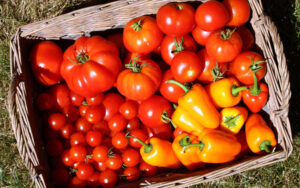
- Harvest tomatoes, beans, cucumbers, peppers, zucchini, and summer squash regularly.
- Direct sow spinach, lettuce, radishes, and other quick-maturing greens for fall harvests.
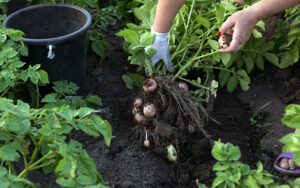
- Harvest onions and garlic after the tops have naturally dried and fallen over.
- Cure onions and garlic in a warm, dry, well-ventilated location before storing.
- Continue watering deeply during dry periods.
- Remove diseased leaves from vegetables to help slow the spread of fungal diseases.
- Refresh mulch where it has thinned to conserve moisture and suppress weeds.
- Collect seeds from healthy, open-pollinated flowers and vegetables.
- Clean up garden beds as crops finish producing.
- Watch local forecasts for the first signs of cooler nights in higher elevations.
August is also a great time to preserve extra vegetables by freezing, drying, or canning so you can enjoy your harvest well beyond the growing season.
Zones 5–6 August Garden Tasks
August is one of the busiest months in Zones 5 and 6 as gardeners balance harvesting summer crops with preparing for fall planting. Staying on top of maintenance now helps extend the growing season well into autumn.
- Harvest tomatoes, peppers, cucumbers, beans, and squash frequently.
- Sow carrots, beets, spinach, kale, lettuce, and Swiss chard for fall harvests.
- Remove spent vegetable plants that are no longer productive.
- Add compost to cleared garden beds before replanting.
- Water deeply during hot, dry weather.
- Continue tying tomatoes and other climbing vegetables to their supports.
- Watch for tomato hornworms, squash bugs, aphids, and powdery mildew.
- Feed container gardens with an organic fertilizer if plants are still producing.
- Divide overcrowded spring-flowering perennials where appropriate.
- Consider planting a cover crop in beds that will remain empty until next season.
Regular harvesting encourages continued production while reducing the chance of overripe vegetables attracting pests.
Zones 7–8 August Garden Tasks
August remains hot across Zones 7 and 8, but it’s also time to start preparing for the fall vegetable garden. Balancing summer maintenance with fall planning helps keep the garden productive for months to come.
- Continue harvesting tomatoes, peppers, cucumbers, beans, okra, and herbs.
- Start broccoli, cabbage, cauliflower, and Brussels sprouts according to your local planting schedule.
- Direct sow carrots, beets, turnips, and bush beans where timing is appropriate.
- Water deeply early in the morning during periods of extreme heat.
- Refresh mulch around vegetables to help reduce moisture loss.
- Remove exhausted summer crops to prepare for fall planting.
- Monitor plants for spider mites, squash vine borers, hornworms, and whiteflies.
- Prune herbs lightly to encourage fresh growth.
- Check irrigation systems for leaks or clogged emitters.
- Prepare garden beds for September planting.
Working backward from your area’s average first frost date can help you determine the best planting schedule for cool-season vegetables.
Related: Getting Started With a Rain Barrel: A Simple Guide to Harvesting Rainwater
Zones 9–10 August Garden Tasks
Although August heat continues across Zones 9 and 10, many gardeners begin preparing for one of their most productive growing seasons. The work you do now lays the foundation for a successful fall vegetable garden.
- Water deeply and consistently during extended periods of hot weather.
- Continue harvesting peppers, eggplant, okra, tomatoes, and herbs.
- Prepare garden beds with compost before fall planting begins.
- Start cool-season vegetables in trays or protected locations according to local planting schedules.
- Remove declining summer crops as they finish producing.
- Refresh mulch to help retain soil moisture.
- Watch for spider mites, aphids, whiteflies, and caterpillars.
- Inspect irrigation systems regularly to ensure even watering.
- Avoid heavy pruning during periods of extreme heat.
- Begin planning September and October vegetable planting.
For many gardeners in Zones 9 and 10, the fall garden often becomes the most productive growing season of the year.
August Garden Tasks for All USDA Zones
Start Your Fall Garden
August is one of the best months to begin planning and, in many areas, planting for the fall growing season.
Depending on your USDA zone and average first frost date, consider planting:
- Spinach
- Lettuce
- Kale
- Swiss chard
- Carrots
- Beets
- Radishes
- Turnips
- Bush beans
Preparing beds now helps ensure continuous harvests as summer crops finish.
Harvest Frequently
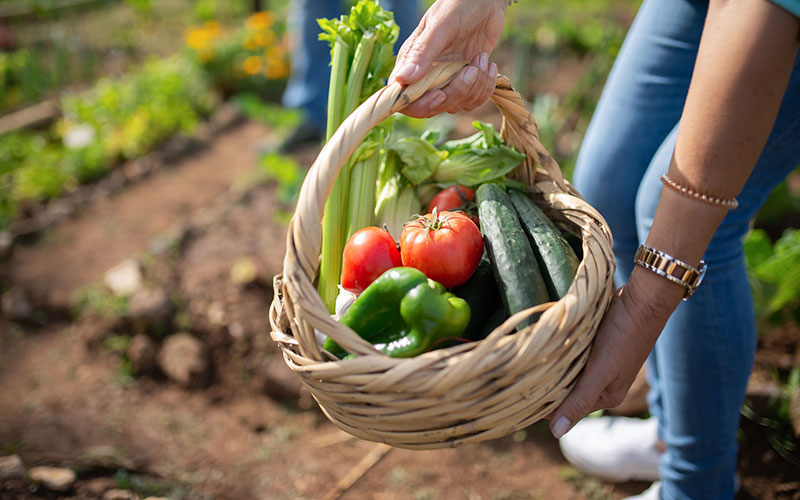
Many vegetables remain productive well into late summer when harvested regularly.
Harvest often:
- Tomatoes
- Cucumbers
- Beans
- Zucchini
- Summer squash
- Peppers
- Herbs
Harvest onions and garlic once mature, then cure them properly before long-term storage.
Water Deeply During Hot Weather
Late-summer heat can quickly dry out gardens, especially containers and raised beds.
August watering tips:
- Water early in the morning whenever possible.
- Soak the root zone deeply.
- Avoid frequent shallow watering.
- Use drip irrigation or soaker hoses if available.
- Check containers daily during heat waves.
- Refresh mulch to reduce evaporation.
Deep watering encourages stronger root systems and helps plants withstand periods of hot, dry weather.
Watch for Common August Garden Pests and Diseases
Warm temperatures and humidity continue to create ideal conditions for many common garden problems.
Common August garden pests include:
- Tomato hornworms
- Squash bugs
- Squash vine borers
- Aphids
- Spider mites
- Whiteflies
Also monitor for:
- Powdery mildew
- Early blight
- Septoria leaf spot
Inspect plants every few days so problems can be addressed before they become severe.
Organic control methods may include:
- Hand-picking insects
- Neem oil
- Insecticidal soap
- Floating row covers
- Encouraging beneficial insects
Refresh Garden Beds
As summer crops finish producing, prepare your garden for the next growing season.
Tasks include:
- Remove spent vegetable plants.
- Pull weeds before they produce seeds.
- Add finished compost to empty beds.
- Replenish mulch where needed.
- Prepare cleared beds for fall vegetables or cover crops.
Healthy soil preparation now helps support stronger fall harvests.
Quick August Gardening Checklist
- Harvest vegetables frequently.
- Start planting fall crops where appropriate.
- Water deeply during hot weather.
- Refresh mulch around vegetables and flowers.
- Watch for late-summer pests and diseases.
- Remove spent vegetable plants.
- Add compost to cleared garden beds.
- Preserve extra harvests by freezing, drying, or canning.
- Save seeds from healthy, open-pollinated plants.
- Prepare your garden for the fall growing season.