
Fall Pond Care: How to Prepare a Backyard Pond for Winter
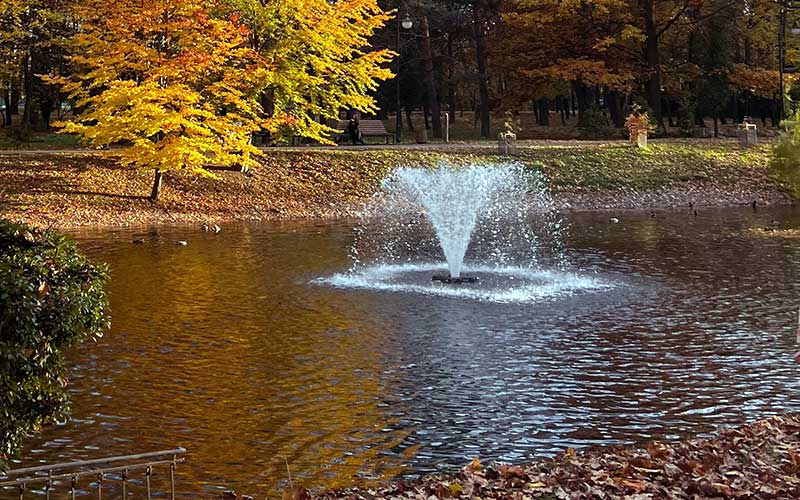
Fall brings leaves, cooler water, and winter preparation. Here’s how to keep a backyard pond healthy while protecting the wildlife that depends on it.
A backyard pond is more than a garden feature. Clean, accessible water can attract birds, frogs, dragonflies, and other wildlife throughout the year. That makes fall pond care less about making the water look perfectly clean and more about keeping a living ecosystem in balance.
Autumn also brings a new set of challenges. Falling leaves and dying vegetation add organic matter to the water, while colder temperatures change how fish, plants, and other pond life behave. In cold climates, ice can eventually limit the exchange of gases between the water and the air.
The goal is simple: remove what is excessive, protect what is useful, and avoid disturbing the pond more than necessary.
Related: 5 Fall Garden Tasks for More Flowers Next Spring
Why Fall Pond Care Matters
A few leaves in a pond are not necessarily a problem. In fact, natural ponds contain plenty of organic material and support a complex community of organisms. The concern is an excessive buildup of leaves and dying vegetation, particularly when large amounts sink to the bottom and decompose.
Regular removal of excess debris can help keep that organic matter from accumulating. The Royal Horticultural Society recommends removing fading leaves and stems in autumn to prevent decomposing vegetation from building up in the pond. It also cautions against too much intervention, because unnecessary maintenance can disrupt the pond’s natural balance and deter wildlife.
That balance is worth remembering throughout the fall. A healthy wildlife pond does not need to be spotless.
Remove Leaves Without Removing the Wildlife
During heavy leaf fall, skim the surface regularly with a long-handled pond net. This is particularly useful when deciduous trees are dropping large quantities of leaves.
You do not need to chase down every stray leaf. The RHS notes that a few leaves are unlikely to be harmful to pondlife, but recommends removing larger amounts of autumn leaves before they sink.
When you do remove debris, work gently. Avoid dragging a net repeatedly through dense aquatic vegetation or disturbing shallow areas more than necessary. If you pull out plant material or other debris, leave it beside the pond temporarily so small creatures have an opportunity to crawl or wriggle back into the water. The RHS recommends this approach when removing pond vegetation and debris.
Think of fall cleanup as selective removal rather than a pond-wide cleaning.
Should You Use Pond Netting?
Pond netting is one way to keep large quantities of leaves out of a pond, and it can be particularly useful where nearby trees produce heavy leaf fall. It is not the only option, though.
For a wildlife-focused pond, regular skimming may be preferable if you want to keep the water surface accessible to birds and other visitors. If you do use netting, check it regularly and make sure wildlife cannot become trapped in it.
The important point is to match the method to the pond. A heavily wooded ornamental pond may benefit from a cover, while a smaller wildlife pond may be easier to manage with frequent, gentle skimming. Both approaches can reduce the amount of leaves that eventually settle into the pond.
Prepare Pond Plants for Frost
Fall is the time to deal with aquatic plants that are dying back and to prepare tender plants for cold weather.
Remove fading leaves and stems when they are adding significant amounts of material to the water. Hardy aquatic plants can generally remain in the pond, while tender water plants may need to be lifted and protected before frost. The exact treatment depends on the plant and your climate.
Do not assume every bit of vegetation needs to be cut down immediately. Some marginal plants can provide valuable shelter for insects and other small creatures during winter. The RHS recommends delaying the cutting back of some faded marginal vegetation until late winter to provide protection for invertebrates.
The same principle applies here as it does to leaves: remove what is excessive while leaving useful habitat intact.
Prepare Fish for Cold Weather
As pond water cools, fish become less active and their metabolism slows. That means fall feeding should change as temperatures drop.
One useful guideline is to switch to an easily digested wheat-germ food as water temperatures fall and gradually reduce feeding. Gardening Know How recommends stopping feeding below 50°F, while HGTV recommends transitioning fish to less frequent feeding below 60°F and stopping completely once water temperatures reach the 40s.
Because fish species, pond conditions, and regional climates differ, do not treat one temperature as a universal rule for every pond. Watch water temperature and fish activity, and follow guidance appropriate for the species you keep.
Avoid overfeeding. Uneaten food becomes another source of organic waste in the pond.
Get Pumps, Fountains, and Aerators Ready for Winter
Fall is a good time to inspect pumps, fountains, filters, and aerators before freezing weather arrives.
Whether equipment should continue running through winter depends on the pond, the equipment, the climate, and whether fish are present. Some ponds benefit from continued circulation or aeration, while other equipment may need to be removed and stored before hard freezes.
The RHS recommends removing pumps and fountains that are not intended to remain in service during winter, while other guidance recommends aeration or circulation in ponds where maintaining oxygen levels is important. Always follow the winter operating instructions for your specific equipment.
If your pond contains fish, pay particular attention to winter oxygen management. An aerator, pump, or other system may help maintain oxygen levels, but an aerator and a deicer are not the same thing. Aeration moves water and can improve oxygenation; a deicer is designed to prevent or limit ice formation at the surface.
What to Do If Your Pond Freezes
A pond that freezes over does not automatically mean something is wrong.
For ponds without fish, a complete ice cover may not require the same intervention. The RHS notes that wildlife ponds with few or no fish generally do not need a hole made in the ice unless there is a buildup of rotting waste. Plants and algae beneath the ice can continue producing oxygen when conditions allow.
Fish ponds are different. A solid ice cover can restrict gas exchange, and maintaining an opening may be important, particularly when fish are overwintering in the pond. Depending on the climate and pond conditions, an air pump, appropriate circulation system, or pond heater/deicer can help.
Never smash or chop through ice over a fish pond. The resulting shock can harm fish. If an opening is needed, use a method designed to melt the ice rather than striking it.
A completely frozen shallow pond is a different situation from a deep pond that has only a layer of surface ice. Pond depth, fish presence, climate, and the length of the freeze all matter.
Do You Need to Drain the Pond?
Not simply because it is fall.
A healthy pond is a living ecosystem, with microorganisms and other organisms that contribute to its natural balance. Draining and scrubbing everything clean can remove more than unwanted debris.
The RHS specifically cautions that complete pond cleanouts can seriously disrupt the natural ecosystem and says ponds rarely need a total clear-out unless they have become extremely overgrown or heavily silted.
That does not mean a pond should never be cleaned. A badly silted or severely overgrown pond may eventually need a more extensive restoration. When that becomes necessary, doing the work in early autumn can minimize disturbance to some pond wildlife, and leaving removed material beside the pond temporarily gives small creatures a chance to escape back into the water.
For routine fall maintenance, though, think of the pond more like healthy garden soil than a bathtub. The objective is to maintain a functioning ecosystem, not remove every living thing along with the debris.
Fall Pond Care for Wildlife
Wildlife should be part of the maintenance plan, not something considered after the cleanup is finished.
Leave some aquatic and marginal vegetation in place where it provides shelter. Avoid removing large amounts of vegetation all at once. When you skim leaves or pull out debris, work carefully around areas where frogs, amphibians, insects, and other pondlife may be hiding.
If your pond has steep sides, make sure wildlife has a way to get in and out safely. Shallow edges, stones, logs, or a suitable ramp can provide access. Even a small container pond can become useful wildlife habitat when it provides safe entry and exit.
Fish also change the character of a wildlife pond. The RHS identifies fish as top predators in garden ponds and notes that they can reduce biodiversity and increase nutrient levels. If your primary goal is to support amphibians and other wildlife, a fish-free pond can provide different habitat opportunities than a stocked fish pond.
That does not mean every pond needs to be fish-free. It means the animals you hope to attract should influence how you design and maintain the pond.
A Small Pond Can Still Help Wildlife
You do not need a large in-ground pond to provide water and habitat.
A container water garden, small pond, or even a thoughtfully maintained birdbath can give wildlife another source of water. The RHS notes that even a mini pond in a container can benefit wildlife.
If you create a small water feature, pay attention to winter conditions. Small, shallow containers freeze more readily than deeper ponds, and any electrical equipment used outdoors should be appropriate for the conditions and operated according to its instructions.
For wildlife, even a modest source of clean, accessible water can be worthwhile.
Fall Pond Care Checklist
- Skim excess leaves and debris regularly during heavy leaf fall.
- Remove dying plant material when it is building up in the water.
- Leave suitable vegetation in place for winter wildlife habitat.
- Lift or protect tender aquatic plants before frost.
- Gradually reduce fish feeding as water temperatures fall.
- Stop feeding according to the needs of the fish species and water temperature.
- Inspect pumps, fountains, filters, and aerators before freezing weather.
- Follow manufacturer instructions for winter operation or storage of equipment.
- Consider aeration or a deicer if your fish pond needs help maintaining an open area.
- Never smash ice over a fish pond.
- Avoid draining a healthy pond simply for seasonal cleanup.
- If you remove substantial vegetation or debris, leave it beside the pond temporarily so small creatures can return to the water.
- Check the pond periodically during prolonged freezing weather.
A pond does not need to be perfectly clean to be healthy. In fact, some of the life you cannot see is part of what makes a pond function as an ecosystem.
Fall pond care is really about knowing what to remove, what to leave, and when to step back. Do that well, and the pond can continue providing water, shelter, and habitat long after the last autumn leaves have fallen.