5 Ways to Make Your Garden More Bee-Friendly
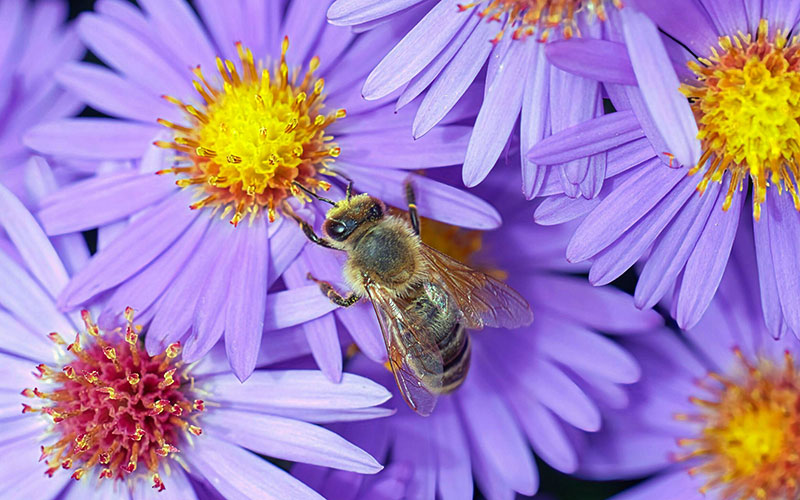
Simple, practical steps to create a healthy, organic garden that supports bees from early spring through late fall.
Bees play a critical role in both natural ecosystems and home gardens. As pollinators, they help fertilize flowers, which allows plants to produce fruits, vegetables, and seeds. Many common crops—including tomatoes, squash, cucumbers, and berries—depend on pollinators to reach their full yield and quality.
Creating a bee-friendly garden is one of the most effective ways to support these essential insects. With a few intentional changes, even a small backyard can provide food, water, and habitat for bees throughout the growing season.
Why Bee-Friendly Gardens Matter
Pollination is essential for plant reproduction. When bees move pollen from one flower to another, it allows fertilization to occur, leading to the development of fruits and seeds. In home gardens, this directly impacts both the quantity and quality of harvests.
It’s also important to recognize that honeybees are only one part of the picture. Native bees—including bumblebees, mason bees, and leafcutter bees—are often more efficient pollinators for certain crops. Supporting a wide range of pollinators helps create a more resilient and productive garden ecosystem.
What Bees Need to Thrive
A successful bee-friendly garden is built around four basic needs:
- Food
Bees rely on nectar for energy and pollen for protein. A diverse mix of flowering plants ensures a steady food supply. - Water
Bees need water for hydration and to help regulate hive temperature. - Shelter
Many native bees live in soil, hollow stems, or wood cavities. Undisturbed areas provide essential nesting habitat. - Safety
Chemical exposure can harm or kill bees. A healthy garden avoids synthetic pesticides and minimizes disruption.
Related: April Gardening Checklist by USDA Zone
5 Ways To Make Your Garden More Bee-Friendly
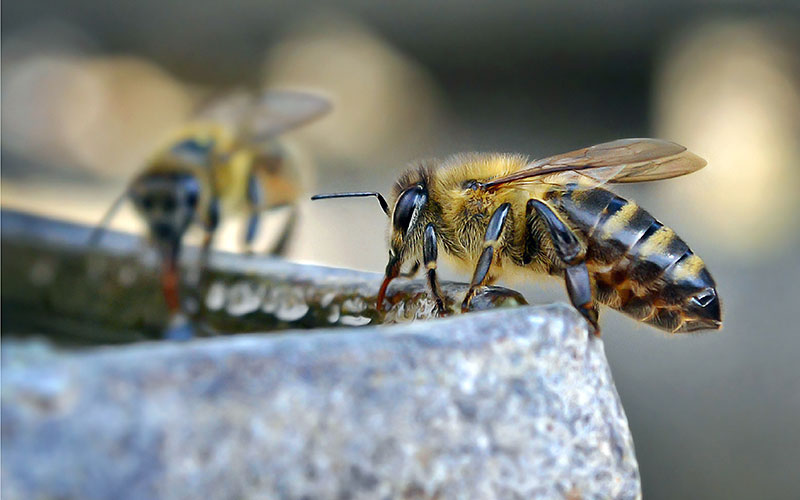
1. Provide a Reliable Water Source
Bees need consistent access to shallow water, especially during hot or dry weather. A simple setup can make a significant difference.
Use a shallow dish, birdbath, or container and add stones, pebbles, or sticks so bees have a safe place to land while drinking. Keep the water level low and refresh it regularly to prevent stagnation.
Place the water source in a sunny, visible location near flowering plants to make it easy for bees to find.
2. Avoid Pesticides and Synthetic Chemicals
Many pesticides—including some labeled as organic—can be harmful to bees if applied incorrectly or during active bloom periods. Herbicides can also reduce the availability of flowering plants that bees depend on.
Instead, focus on building a healthy garden system:
- Encourage beneficial insects that naturally control pests
- Improve soil health with compost and organic matter
- Use manual pest removal when needed
If treatment is necessary, apply it in the evening when bees are less active and avoid spraying open flowers.
3. Plant for Continuous Bloom from Early Spring to Late Fall
One of the most important steps in creating a bee-friendly garden is ensuring that something is always in bloom. Bees need a consistent food supply throughout the growing season. Gaps in flowering can leave them without enough nectar and pollen to survive.
Plan your garden to include early-, mid-, and late-season blooms:
Early season (spring):
- Willow (Salix species, native varieties)
- Crocus
- Serviceberry (Amelanchier)
Mid-season (summer):
- Bee balm (Monarda, native varieties)
- Coneflower (Echinacea)
- Black-eyed Susan (Rudbeckia)
Late season (late summer to fall):
- Native asters
- Goldenrod (Solidago, native non-invasive species)
Choosing regionally appropriate and non-invasive plants is essential. Native species are especially valuable because they are adapted to local conditions and provide the most reliable food sources for local pollinators.
4. Prioritize Native Plants
Native plants have evolved alongside local pollinators, making them one of the best choices for a bee-friendly garden. They tend to produce more accessible nectar and pollen compared to many ornamental hybrids.
In addition to supporting bees, native plants are typically easier to grow. They are adapted to local soil, rainfall, and climate conditions, which means they often require less water, fertilizer, and maintenance.
To find suitable native plants for your area, consult local extension services, native plant nurseries, or pollinator-focused organizations.
5. Reduce Lawn Space and Create Layered Habitat
Traditional lawns provide little to no food or habitat for bees. Reducing lawn space and replacing it with diverse plantings can dramatically increase the ecological value of your yard.
A more natural garden includes multiple layers:
- Trees for canopy cover
- Shrubs for structure and seasonal blooms
- Flowering perennials for nectar and pollen
- Groundcovers for low-growing habitat
This layered approach supports not only bees but also other beneficial insects and wildlife. Even small changes—like converting a section of lawn into a flower bed—can make a meaningful impact.
Use Your Vegetable Garden to Support Bees
Vegetable gardens can be powerful pollinator habitats. Many crops depend on bees for pollination, and increased bee activity often leads to better yields and more uniform produce.
To make your vegetable garden more bee-friendly:
- Allow some herbs and greens to flower
- Plant flowering companions alongside crops
- Use cover crops during fallow periods
Buckwheat is a particularly effective cover crop. It grows quickly, improves soil structure, and produces abundant flowers that attract bees. In return, pollinators help increase productivity in nearby crops.
Related: How To Grow Mint (Without It Taking Over Your Garden)
Common Mistakes to Avoid
Even well-intentioned gardens can fall short if a few key factors are overlooked:
- Planting flowers that all bloom at the same time
- Using pesticides during flowering periods
- Choosing ornamental plants with little nectar or pollen
- Maintaining large areas of unused lawn
Avoiding these common issues can significantly improve the effectiveness of a bee-friendly garden.
Simple Bee-Friendly Plants to Start With
For beginners, starting with a few reliable plants is often the easiest approach. These options are widely recognized as safe, non-invasive, and attractive to pollinators:
- Bee balm (Monarda)
- Coneflower (Echinacea)
- Sunflowers (Helianthus)
- Herbs like thyme, oregano, and basil (when allowed to flower)
Start small, observe what thrives in your space, and expand over time.
Final Thoughts
Creating a bee-friendly garden does not require a complete overhaul. Small, intentional changes—like adding flowers, reducing chemical use, and providing water—can quickly turn a backyard into a valuable habitat for pollinators.
By focusing on diversity, season-long blooms, and organic practices, any garden can become a place where bees not only visit, but thrive.