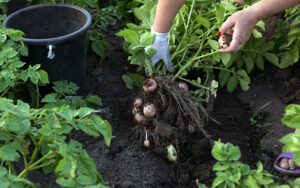

April Gardening Checklist by USDA Zone
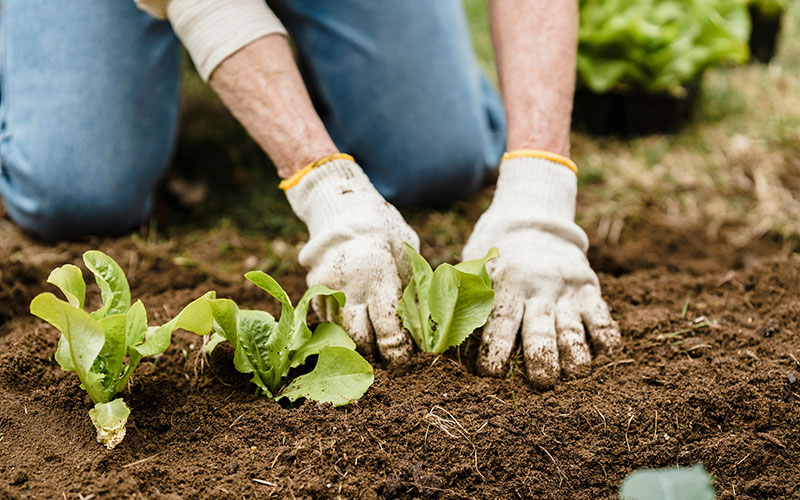
What to plant and what to do in your garden this April, organized by USDA growing zone.
Here’s your April gardening checklist by USDA Plant Hardiness Zone, covering Zones 3–10. This guide will help you understand what to plant in April and which spring garden tasks to focus on based on your climate.
If you don’t know your zone, check your USDA Plant Hardiness Zone before getting started. Zones 3–10 cover the vast majority of gardeners across the United States.
April is a transition month in the garden. In cooler regions, the focus is on soil preparation and early planting, while warmer zones are already moving into heat-tolerant crops. Timing matters—wait until soil is workable and avoid planting in cold, waterlogged ground.
Essential April Garden Tasks (All Zones)
- Test soil readiness before planting. Work soil only when it crumbles easily and is not saturated.
- Add compost to garden beds to improve soil structure, drainage, and nutrient availability.
- Begin regular weeding early to prevent competition as crops establish.
- Check irrigation systems and repair hoses or drip lines before consistent watering is needed.
- Harden off indoor seedlings gradually before transplanting outdoors.
- Monitor weather forecasts and be prepared to protect plants from late frosts.
- Refresh mulch around beds to conserve moisture and regulate soil temperature.
- Clean and sharpen garden tools for efficient planting and maintenance.
Related: Preparing Garden Soil in Spring: When and How to Get Beds Ready for Planting
Zone 3 – April Garden Tasks
- Dig up and enjoy parsnips still left in the garden from last fall.
- Work compost into beds as soon as the soil is workable and no longer frozen or waterlogged to improve soil structure and fertility.
- Fertilize established lawns once grass begins actively growing.
- If weather allows, plant onion sets, lettuce, spinach, peas, sweet peas, carrots, and parsnips in the garden once soil can be worked.
- Indoors, continue starting seeds of squash, melons, and corn to prepare for transplanting after frost risk passes.
- Start gladiolus corms indoors for earlier blooms.
- Sprout seed potatoes by moving them from cold storage into room temperature to encourage faster growth before planting.
- In the last week of the month, begin removing winter coverings from tender roses, perennials, and strawberries as temperatures stabilize.
Zone 4 – April Garden Tasks
- When the soil has warmed and dried, plant cold-tolerant crops such as peas, spinach, lettuce, radishes, and onion. Avoid working soil that is still wet or compacted.
- In flowerbeds, plant lilies, primroses, and lilies-of-the-valley.
- Plant raspberries as soon as possible, but wait until soil has begun to warm before planting strawberries to prevent root rot.
- Dig and divide perennials such as daylilies and irises to encourage vigorous growth.
- Indoors, start tomato seeds if you plan to transplant them outdoors under protection next month.
- Start broccoli seeds indoors for an early crop, as delaying can lead to poor yields once temperatures rise.
Related: How to Start Seeds Indoors and Grow Healthy Seedlings Every Time
Zone 5 – April Garden Tasks
- If the ground has thawed, divide and replant perennials such as asters, bee balm, and hostas.
- Plant roses and lily bulbs once soil conditions allow.
- When the ground is warm and dry, transplant early tomatoes outdoors using protective coverings to guard against late frosts.
- Sow a second crop of lettuce either indoors or directly in the garden to extend your harvest window.
- Sow spinach early to harvest tender leaves before warmer temperatures cause bolting.
Zone 6 – April Garden Tasks
- Clean up the garden by removing last year’s dead plants, pulling back winter mulch, and preparing beds for planting.
- Top-dress beds with compost to improve soil fertility and support healthy spring growth.
- Once beds are ready and hard frost risk begins to ease, plant potatoes, peas, spinach, leafy greens, beets, turnips, and carrots.
- Install trellises for peas as soon as they begin to sprout to support vertical growth.
- Dig, divide, and replant perennials such as helenium, fall asters, Shasta daisies, chrysanthemums, and phlox.
- Plant cool-weather flowers like pansies, forget-me-nots, and foxglove once conditions stabilize.
- Sow seeds of sweet peas, bachelor’s buttons, and larkspur directly in flowerbeds.
Related: How To Grow Scallions: An Easy Organic Guide for Beginners
Zone 7 – April Garden Tasks
- Avoid planting broccoli and cabbage late in the month, as rising temperatures can cause plants to bolt instead of forming heads.
- Thin crowded carrots, chard, and lettuce to allow proper spacing and healthy development.
- Remove floating row covers from peas early in the month as temperatures rise, and provide support with stakes or branches.
- Apply mulch around cool-season crops to retain moisture and regulate soil temperature as the weather warms.
- Select azalea and rhododendron plants while they are in bloom to ensure the colors complement your landscape.
Zone 8 – April Garden Tasks
- Apply foliar feeds such as compost tea or liquid seaweed early in the day to improve nutrient absorption through plant leaves.
- Plant heat-tolerant crops including peas, okra, peanuts, sweet potatoes, squash, melons, cucumbers, and corn before temperatures climb further.
- Continue planting basil, which thrives in warm conditions.
- Plant caladium, calla, gladiolus, and water lily bulbs as soil temperatures rise.
- Add kitchen scraps and yard waste to your compost pile, maintaining a balance of greens and browns for proper decomposition.
- Replenish mulch to conserve moisture and protect soil as heat increases.
Related: Getting Started With a Rain Barrel: A Simple Guide to Harvesting Rainwater
Zone 9 – April Garden Tasks
- Monitor for slugs and snails, especially in damp conditions, and remove them in the evening when they are most active.
- Plant pumpkins, summer squash, melons, and other heat-loving vegetables.
- Every two weeks, plant small blocks of bush beans and sweet corn to create a continuous harvest throughout the season.
- Thin fruit on trees to improve size and prevent branches from breaking under excess weight.
- Plant summer bedding plants such as petunias, lisianthus, wax begonias, and impatiens.
- Sow seeds of nasturtiums, marigolds, portulaca, amaranthus, salvias, vinca, sunflowers, and zinnias.
- Plant perennials including alliums, bellflowers, daisies, yarrow, daylilies, coreopsis, penstemon, geraniums, iris, and statice.
Zone 10 – April Garden Tasks
- Plant perennials early in the month so they can establish strong roots before extreme summer heat arrives, and water consistently to support growth.
- Plant heat-loving bedding plants such as vinca, strawflowers, blanket flowers, and gazanias.
- Plant warm-season crops like roselle, amaranth, and Malabar spinach, ensuring adequate moisture and partial shade where needed.
- Experiment with tropical edibles such as gingerroot and malanga by planting cut pieces in warm soil for harvest later in the year.
- Trellis tropical cucurbits like luffa, chayote, and Tahitian squash to support vigorous growth and improve yields.
What to Plant in April (Quick Reference)
Cool-season crops (Zones 3–6, early April in some Zone 7 areas):
- Lettuce
- Spinach
- Peas
- Radishes
- Carrots
- Onions
Warm-season crops (Zones 8–10, late April in some Zone 7 areas):
- Beans
- Corn
- Cucumbers
- Squash
- Melons
- Okra
- Sweet potatoes
Flowers:
- Pansies (cool zones)
- Marigolds (warm zones)
- Zinnias
- Sunflowers
- Sweet peas
Herbs:
- Basil (warm zones)
- Parsley
- Cilantro
- Dill
Watch for These April Garden Issues
- Late frosts: Even in mid-spring, sudden cold snaps can damage tender plants. Keep row covers or cloth handy.
- Cold, wet soil: Planting too early in soggy soil can lead to poor germination and root rot.
- Early pests: Aphids, slugs, and snails begin appearing—inspect plants regularly.
- Weed pressure: Warmer temperatures trigger rapid weed growth if not managed early.
- Bolting crops: Rising temperatures can cause cool-season crops like spinach and lettuce to bolt quickly.
- Uneven watering: Spring rains can be inconsistent—monitor soil moisture closely.
Frequently Asked Questions
Can I start planting in April?
Yes, but it depends on your zone. Cooler regions focus on cold-hardy crops, while warmer zones can plant heat-loving vegetables.
What vegetables grow best in April?
Lettuce, spinach, peas, and radishes grow well in cooler zones. In warmer zones, beans, squash, cucumbers, and corn are ideal.
Is it too early to plant tomatoes?
In Zones 3–5, tomatoes should remain indoors or be protected. In Zones 6–7, they can be transplanted with protection. In Zones 8–10, planting is generally safe.
How do I know if my soil is ready?
Soil should be crumbly and not stick together when squeezed. Avoid planting in wet, compacted soil.
What should I prioritize this month?
Focus on soil preparation, early planting, and protecting crops from temperature swings.
April is a key transition month in the garden. Staying on schedule with planting and preparation now sets the foundation for a productive growing season. As temperatures continue to rise, begin planning for May planting and the shift to warm-season maintenance.