
How To Grow Scallions: An Easy Organic Guide for Beginners
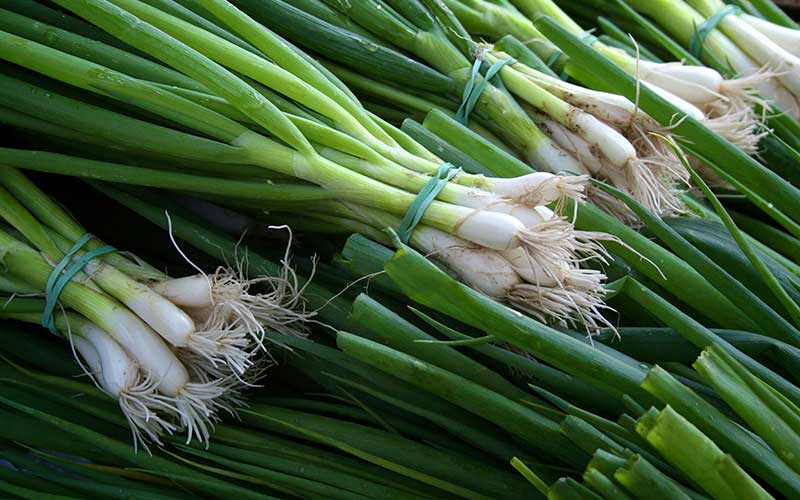
A complete step-by-step guide to planting, growing, harvesting, and regrowing scallions in gardens or containers.
Slender, tender scallions are one of the easiest vegetables to grow, even for first-time gardeners. They take up very little space, grow quickly, and can be harvested over a long period. Whether planted in a garden bed, raised bed, or container on a patio, scallions provide a steady supply of fresh, mild onion flavor for salads, soups, and cooked dishes.
Unlike bulb onions, scallions are grown for their long white stalks and green leaves. Many types never form large bulbs at all, making them especially well suited to small gardens and continuous harvest.
What Is a Scallion?
The terms scallion, green onion, and spring onion are often used interchangeably, but they can refer to slightly different plants.
Scallions most commonly refer to bunching onions (Allium fistulosum), which grow in clumps and do not form large bulbs. These are the best choice for home gardeners who want a continuous harvest.
Green onions are typically ordinary bulb onions (Allium cepa) harvested young before the bulb develops.
Spring onions usually refer to onions allowed to grow longer, forming small bulbs with thicker stalks and a stronger flavor.
All types can be used in the kitchen in similar ways, but bunching onions produce the most reliable scallion harvest because they regrow repeatedly and tolerate cold well.
Related: 9 Spring Vegetables Packed With Nutrients
Why Grow Scallions?
Scallions are an ideal crop for beginners and busy gardeners.
They offer several advantages:
- Extremely easy to grow from seed
- Ready to harvest faster than most onions
- Require very little space
- Suitable for containers and small gardens
- Can be harvested continuously
- Generally low-maintenance
- Add fresh flavor to many dishes
Nutritionally, scallions provide vitamins A, C, and K along with antioxidants, while contributing very few calories.
Preparing the Soil
Scallions have shallow roots and perform best in loose, fertile soil rich in organic matter. Work several inches of compost or well-aged manure into the top layer of soil before planting to improve fertility, drainage, and moisture retention.
Well-drained soil is essential. Waterlogged conditions can cause rot and stunted growth. Raised beds are ideal because they provide good drainage and warm up quickly in spring.
Scallions prefer full sun but will tolerate partial shade, especially in hot climates. A slightly acidic to neutral soil pH is suitable for most gardens.
Related: Preparing Garden Soil in Spring: When and How to Get Beds Ready for Planting
Planting
Scallions grow well from seed and can be planted in early spring for a long harvest season.
Starting Seeds Indoors
Start seeds indoors 5 to 6 weeks before your average last frost date. Sow 5 to 10 seeds per cell in a seed-starting mix. Growing them in small clumps produces thicker bunches at harvest.
When seedlings are sturdy and roots hold the soil together, harden them off for about a week before transplanting outdoors roughly 2 weeks before the last frost. Space clumps about 8 inches apart in rows 12 inches apart.
Related: How to Start Seeds Indoors and Grow Healthy Seedlings Every Time
Direct Sowing Outdoors
Seeds can also be sown directly in the garden 3 to 4 weeks before the last frost. Plant seeds about 1/2 inch deep in rows spaced 12 inches apart. Keep the soil consistently moist during germination, which can take up to several weeks.
Once seedlings emerge, thin them to about 1 inch apart. The thinned greens can be used like chives.
Succession Planting for Continuous Harvest
For a steady supply of scallions, sow new seeds every 2 to 3 weeks through spring and early summer. This ensures fresh plants at different stages of growth.
Fall and Winter Planting
Cold-hardy bunching varieties can be sown in summer for fall harvests and overwintering. Apply a thick layer of straw mulch before hard frost to protect plants. In mild climates (USDA Zone 7 and warmer), seeds can be sown in early fall for winter and early spring harvests.
How Long Do Scallions Take to Grow?
Most scallions are ready to harvest about 60 to 90 days from seed, though young plants can be harvested earlier for milder flavor. Warm temperatures and consistent moisture speed growth.
Growing Scallions in Containers
Scallions are excellent container crops.
Choose a pot at least 6 to 8 inches deep with drainage holes. Use a high-quality potting mix rather than garden soil, which can compact in containers.
Because roots are shallow, scallions can be planted fairly densely in containers. Keep soil consistently moist, as pots dry out faster than garden beds. Containers should receive plenty of sunlight, ideally 6 or more hours per day.
They also grow well in window boxes or on sunny indoor windowsills, making them a good option for apartment gardeners.
Care and Maintenance
Consistent moisture is the key to healthy scallions. Water regularly to keep soil evenly moist but not soggy. Mulching with grass clippings, straw, or shredded leaves helps conserve moisture and suppress weeds.
Because roots are close to the surface, remove weeds carefully by hand to avoid disturbing the plants.
If growth is slow or leaves appear pale, a light feeding with diluted fish emulsion or another organic liquid fertilizer can boost vigor.
Scallions tolerate cool weather well but may slow during extreme heat.
Companion Planting
Scallions fit easily between other crops and can be used in intensive planting systems. Their mild onion scent may help deter some pests when planted near susceptible vegetables. They are commonly interplanted with lettuce, carrots, and other compact crops.
Troubleshooting
Although generally low-maintenance, scallions can encounter a few problems.
Poor drainage can lead to rot or weak growth. Ensure soil drains well and avoid overwatering.
Onion maggots and thrips occasionally affect alliums. Crop rotation each year and maintaining healthy soil reduce the risk of infestations.
Yellowing leaves may indicate nutrient deficiency, overcrowding, or water stress.
Harvesting
Scallions become stronger in flavor as they mature, so harvest according to your taste preference once plants reach about 6 inches tall.
Cut-and-Come-Again Harvesting
For continuous production, cut individual stalks at the base rather than pulling the entire plant. Harvest outer leaves first, allowing the center to continue growing. Bunching onions can produce multiple harvests this way.
Harvesting Clumps
If seedlings were planted in clumps, you may harvest the entire cluster at once. For perennial bunching types, harvest lightly the first year, leaving one plant every 12 to 18 inches to form larger clumps for future harvests.
In the second year, lift a clump with a shovel and divide it with a sharp knife. Replant divisions promptly and water well.
Storage
Fresh scallions keep about a week in the refrigerator. For longer storage, wrap them in a damp paper towel and place inside a loosely sealed plastic bag.
Regrowing Scallions From Kitchen Scraps
Scallions can be regrown from the rooted base left after cooking.
Place the white root ends upright in a shallow container with a small amount of water. New green shoots will appear within days. For longer production, transplant the rooted pieces into soil, where they can continue growing and be harvested repeatedly.
Regrowth from scraps is convenient but typically produces smaller plants than those grown from seed.
Cooking Tip
When grilling scallions, place them crosswise on the grate to prevent them from falling through.