Spring Allergies: 5 Costly Mistakes That Make Symptoms Worse
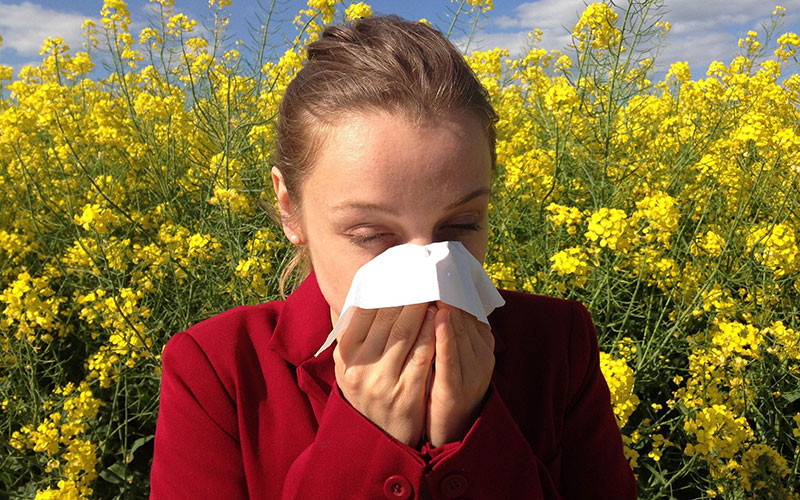
What to do before, during, and after peak pollen season to breathe easier naturally.
Spring brings longer days, fresh growth, and a surge of pollen from trees and early grasses. For millions of people, that also means weeks of sneezing, congestion, itchy eyes, and fatigue. Unlike a cold, spring allergies persist as long as pollen circulates in the air — often from early bloom through late spring.
The key to relief isn’t just treating symptoms after they start. It’s reducing exposure and preparing before pollen peaks. Avoid these common mistakes to make spring allergy season far more manageable.
1. Throwing Money at the Problem Instead of Using a Plan
With store shelves full of pills, sprays, and supplements, it’s easy to jump from one product to another hoping for quick relief. But spring allergies respond best to a consistent strategy, not random trial and error.
Many treatments work differently:
- Antihistamines reduce sneezing and itching
- Nasal steroid sprays reduce inflammation over time
- Saline rinses physically remove pollen from nasal passages
Saline irrigation can be especially helpful during pollen season because it washes allergens out rather than masking symptoms. Use sterile, distilled, or previously boiled water to prepare rinses.
If over-the-counter options aren’t enough, an allergist can evaluate whether prescription treatments or immunotherapy (allergy shots or tablets) may help. These therapies don’t provide instant relief, but they can reduce sensitivity to specific pollens over time.
Most importantly, start treatments before pollen counts surge — not after symptoms become severe.
2. Not Knowing Which Spring Pollens Trigger Your Symptoms
“Spring allergies” are not caused by one single pollen. Early spring is dominated by tree pollen, while late spring often shifts toward grasses. Different plants release pollen at different times, and sensitivity varies from person to person.
Common early spring tree pollens include:
- Birch
- Oak
- Maple
- Elm
- Cedar
Dry, windy days tend to spread pollen widely, while rain temporarily clears it from the air. If your symptoms spike after warm, breezy days, airborne pollen is likely the culprit.
Tracking local pollen forecasts can help you anticipate bad days and adjust your activities. If symptoms are severe or unclear, allergy testing can identify specific triggers and guide treatment.
Gardeners should also consider their own landscape. Wind-pollinated trees and grasses produce far more airborne pollen than insect-pollinated flowers, which are generally less problematic.
3. Waiting Until Symptoms Hit Full Force
By the time your nose is completely blocked and your eyes are itching nonstop, inflammation is already well established. Preventive treatment is far more effective.
Start protective measures one to two weeks before your area’s typical pollen season, especially if you had significant symptoms in past years. Warm spells can trigger sudden pollen release even before spring fully arrives.
Early prevention may include:
- Beginning medications previously recommended by your healthcare provider
- Using saline rinses after outdoor exposure
- Monitoring forecasts to plan outdoor time
- Limiting strenuous outdoor activity on high-pollen days
Taking action early can significantly reduce how severe symptoms become later.
4. Letting Pollen Follow You Indoors
Your home should be a refuge, not a pollen reservoir. Unfortunately, pollen easily hitchhikes inside on clothing, hair, shoes, pets, and even laundry.
Simple habits can dramatically reduce indoor exposure:
Before entering the house:
- Wipe shoes or remove them at the door
- Use doormats to trap pollen
- Keep windows closed during high-count days
Immediately after coming indoors:
- Change clothes
- Shower and wash your hair (especially before bed)
- Rinse your face and eyes
Inside the home:
- Dry laundry indoors during pollen season
- Clean entry areas frequently
- Groom pets regularly if they spend time outdoors
- Use air conditioning if available rather than open windows
Pollen levels are often highest in the morning and on dry, windy days. After rainfall, outdoor air usually contains less airborne pollen for a short time.
5. Ignoring Pollen-Food Cross Reactions
Some people with spring pollen allergies experience itching or tingling in the mouth and throat after eating certain raw fruits, vegetables, or nuts. This condition — often called oral allergy syndrome or pollen-food allergy syndrome — occurs because the immune system confuses similar proteins in foods and pollen.
Tree pollen allergies are commonly linked with reactions to foods such as:
- Apples
- Pears
- Cherries
- Peaches
- Plums
- Carrots
- Hazelnuts
Symptoms are usually mild and limited to the mouth, lips, or throat. Cooking, baking, or peeling these foods often reduces reactions because heat alters the proteins involved.
On the positive side, a nutrient-dense diet may help support the body during allergy season. Foods rich in vitamin C, antioxidants, and anti-inflammatory compounds — such as citrus fruits, leafy greens, onions, garlic, and berries — support overall immune function, though they are not cures for allergies.
Related: 4 Foods That Can Make Spring Allergies Worse (and Why)
The Bottom Line: Reduce Exposure First, Treat Second
Spring allergies can feel overwhelming, but small changes make a big difference. The most effective approach combines early preparation, reduced pollen exposure, and appropriate treatment when needed.
If symptoms interfere with sleep, breathing, or daily activities, consult a healthcare professional for personalized guidance. With the right plan, spring can be a season to enjoy — not endure.