
How Bad Is It to Eat an Apple Without Washing It?
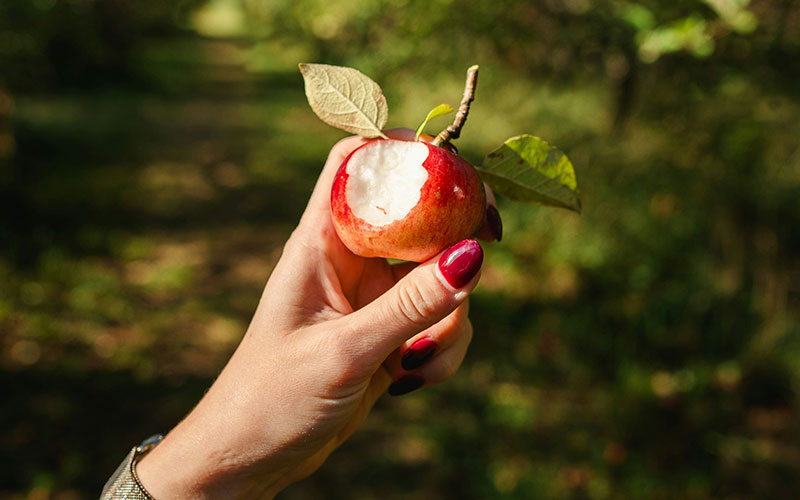
Can a quick wipe really replace washing it?
You’re already heading out the door, an apple in hand and no time to stop at the sink. It’s an easy snack to grab when you know the drive-thru is calling your name—but then you realize you never washed it.
So how bad is it, really, to take a bite?
The good news is that eating one unwashed apple does not automatically mean you’re going to get sick. But washing apples before eating them is still the safer habit. Fresh produce can pick up dirt and harmful microorganisms during growing, harvesting, transportation, handling, and preparation. Washing under running water can reduce bacteria and other material on the surface, although it doesn’t eliminate everything.
Is It Safe to Eat an Unwashed Apple?
An apple can look perfectly clean and still have things on its surface that you can’t see.
Fresh fruits and vegetables can become contaminated with harmful bacteria at different points between the farm and your kitchen. Contamination can come from soil, water, handling, equipment, storage, or preparation. That’s why the FDA and CDC recommend rinsing fresh produce under running water before eating it.
That doesn’t mean every unwashed apple is contaminated, or that eating one will make you sick. It simply means there is a preventable source of exposure that you can reduce with a quick wash.
For most people, forgetting to wash an apple once is not a reason to panic. But if you’re going to eat apples regularly, washing them first is an easy food-safety habit.
People who are pregnant, very young, older, or have weakened immune systems are at greater risk of serious complications from foodborne illness, making careful produce handling particularly important.
What Could Be on an Unwashed Apple?
Dirt and Microorganisms
Apples travel through a surprisingly long chain before they reach your kitchen. They can be exposed to soil, water, harvesting and packing equipment, storage areas, retailers, and human handling.
Harmful bacteria can sometimes be present on fresh fruits and vegetables. Washing under running water helps remove dirt and reduce bacteria that may be on the surface. It isn’t a sterilization process, though, so a washed apple isn’t guaranteed to be completely free of microorganisms.
That’s an important distinction: washing reduces risk; it doesn’t make an apple magically germ-free.
Pesticide Residues
Pesticide residue is a separate issue from bacteria.
Conventionally grown produce can have pesticide residues, and washing can remove some residue from the surface. Mayo Clinic recommends washing fresh produce with cold, flowing water and notes that this can remove some pesticide residue as well as some germs.
Washing won’t remove every pesticide residue, however. Some substances can remain after washing, so it’s better to think of rinsing as one way to reduce exposure rather than a way to remove every trace.
If you’re interested in how apples fit into current pesticide-residue rankings, our updated Dirty Dozen 2026 guide covers the latest list and explains how the ranking is compiled.
Wax and Handling
Some apples receive a food-grade wax coating after harvest to help protect the fruit and maintain quality. That shiny appearance isn’t evidence that an apple is dirty, but it also isn’t a reason to skip washing it.
The bigger point is that washing apples is recommended regardless of whether the skin looks polished, dull, perfectly clean, or slightly dusty.
Does Rubbing an Apple on Your Shirt Clean It?
Not really—not in the way washing does.
A quick wipe can remove some visible dirt or material from the surface, but a shirt isn’t a food-cleaning tool, and you can’t assume that clothing is clean enough to safely substitute for washing.
If you’re already on the road with an unwashed apple, wiping off obvious dirt is a reasonable temporary measure. But once you have access to running water, give the apple a proper wash.
The food-safety recommendation is straightforward: hold the apple under running water and gently rub the surface with your hands. For firm produce, a clean produce brush can also be used.
So, unfortunately, your shirt doesn’t get promoted to apple-washing equipment.
What About Pesticides on Apples?
Apples remain on the 2026 Dirty Dozen list published by the Environmental Working Group, ranking eighth among the conventionally grown produce included on this year’s list. The ranking is based on pesticide-residue testing and is separate from the question of whether an apple is safe to eat.
That distinction matters.
Related: EWG Dirty Dozen 2026: The Most Pesticide-Contaminated Fruits and Vegetables
A pesticide-residue ranking isn’t a list of foods that are poisonous or unsafe to eat. It measures pesticide residues found on conventionally grown produce using the methodology behind the Dirty Dozen.
Washing is still worthwhile. Running water and rubbing can remove some residues from the surface, along with dirt and some bacteria. It just can’t remove everything that might be present.
If reducing pesticide exposure is one of your priorities, choosing organic apples is another option. But washing is still recommended whether an apple is organic or conventionally grown.
Do Organic Apples Need to Be Washed?
Yes.
Organic doesn’t mean an apple is free from microorganisms, dirt, or every possible pesticide residue.
Organic farming uses different production standards, and organic foods generally expose consumers to less pesticide residue than conventionally grown foods. But both organic and conventional foods have to meet U.S. food-safety standards, and both can become contaminated with bacteria.
In other words, the organic label doesn’t cancel out the need to wash an apple.
If you’re buying organic because you want to reduce pesticide exposure, that’s a separate choice from washing the fruit. You can—and should—do both.
How to Wash an Apple Properly
You don’t need a complicated produce-cleaning routine.
- Wash your hands before preparing the apple.
- Hold the apple under cool running water.
- Gently rub the entire surface with your hands.
- If the apple has stubborn surface dirt, use a clean produce brush.
- Dry the apple with a clean cloth towel or paper towel if desired.
The FDA recommends washing fresh produce thoroughly under running water and specifically advises against using soap, detergent, or commercial produce washes. Produce is porous, and household cleaning products can leave residues or be absorbed into the food.
USDA guidance likewise recommends washing apples under cold running tap water and says firm produce such as apples can be scrubbed with a brush.
You also don’t need to wash an entire bag of apples the second you get home. Mayo Clinic recommends waiting until you’re ready to prepare or eat produce before washing it.
Does Peeling an Apple Make Washing Unnecessary?
No.
Even if you’re planning to peel an apple, wash it first.
Why? Because the outside of the apple comes into contact with your hands and your knife during peeling. Surface dirt or bacteria can be transferred from the peel to the edible portion as you cut.
The FDA specifically recommends washing produce before peeling or cutting it for this reason.
Peeling can remove the skin and some of the material on it, but it shouldn’t be treated as a substitute for washing.
What If You Already Ate an Unwashed Apple?
If you just realized you ate an apple without washing it, don’t panic.
An unwashed apple isn’t automatically contaminated, and eating one doesn’t mean you’re going to get food poisoning. The reason food-safety agencies recommend washing produce is that it reduces potential exposure to microorganisms and other material on the surface.
For next time, keep it simple: rinse the apple under running water and rub it well before eating.
And if you’re already halfway through an apple when you remember you forgot to wash it? There’s no need to assume the worst. Just make washing the next one part of the routine.
The Bottom Line
Eating an unwashed apple once isn’t a reason to panic, but washing apples before eating them is still the better habit.
A quick rub on your shirt may make the apple look cleaner, but it isn’t a substitute for washing. Running water and gentle rubbing can remove dirt and reduce bacteria on the surface, and washing can also reduce some pesticide residues. It won’t remove every microorganism or every pesticide residue, but it is a simple step that can reduce what’s on the outside of the fruit.
So if you’re standing at the kitchen sink with an apple in your hand, give it a wash.
Your shirt can stay out of it.