
How to Make Garden Cut Flowers Last Longer
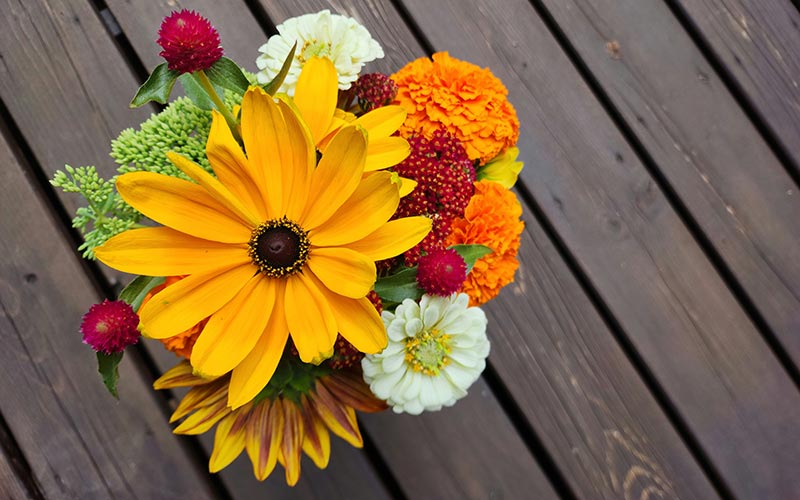
Learn how to harvest, prepare, and care for fresh-cut flowers so your homegrown bouquets stay vibrant and beautiful for as long as possible.
There’s nothing quite like bringing fresh flowers from your garden indoors, but even the most beautiful bouquet won’t stay fresh for long without proper care. While flower food and clean water can help, the secret to longer-lasting arrangements actually begins before the flowers ever reach the vase.
By choosing varieties with a naturally long vase life, harvesting them at the right time, and following a few simple care techniques, you can enjoy vibrant, homegrown bouquets for days—or even weeks—longer.
Choose Flowers with a Naturally Long Vase Life
Some flowers are simply better suited for bouquets than others. If you grow flowers specifically for cutting, selecting varieties known for their longevity will give you the best results.
Spring Favorites
Many spring bloomers make excellent cut flowers, including:
- Ranunculus
- Snapdragons
- Sweet William
- Bells of Ireland
- Tulips
Tulips continue to grow after they’re cut and often bend toward light, creating a more relaxed, natural arrangement over time.
Related: How to Grow Tulips: A Complete Organic Guide to Planting, Care, and Reblooming
Summer Favorites
Summer gardens offer some of the best flowers for fresh bouquets, including:
- Zinnias
- Cosmos
- Celosia
- Gomphrena
- Sunflowers
- Lisianthus
Zinnias are among the most popular cutting flowers because they produce continuously throughout the season and hold up well in a vase when harvested at the proper stage.
Late Summer and Fall Favorites
As the growing season winds down, many flowers continue producing beautiful blooms for indoor arrangements.
Look for:
- Chrysanthemums
- Asters
- Statice
- Strawflower
- Sedum
- Dahlias
While dahlias are treasured for their spectacular blooms, they’re generally enjoyed for a shorter period than many other cut flowers, making frequent harvesting worthwhile while they’re in season.
Tip: Plant a mix of spring, summer, and fall bloomers to enjoy fresh bouquets throughout the growing season.
Harvest Flowers at the Right Time
When you harvest flowers can be just as important as how you care for them afterward.
The best time to cut flowers is early in the morning, after any dew has dried but before the day’s heat causes plants to lose moisture. If morning harvesting isn’t possible, late evening is usually the next best option.
Use clean, sharp pruners or garden snips to make smooth cuts that won’t crush the stems. Carry a clean bucket filled with cool, fresh water into the garden so each stem can be placed in water immediately after it’s cut. This helps reduce moisture loss and keeps flowers hydrated from the start.
Different flowers should also be harvested at different stages of bloom. Some, like lilies and tulips, continue opening indoors and are best cut before they’re fully open. Others, including sunflowers and zinnias, perform best when their blooms are more fully developed. Learning the ideal harvest stage for each variety can noticeably extend vase life.
Tip: Harvest only healthy flowers. Stems with insect damage, disease, or wilting won’t improve after they’re cut.
Prepare Stems for Maximum Water Uptake
Before arranging your flowers, recut each stem using a sharp knife or pruners. Make a clean, angled cut to expose fresh tissue that can absorb water more efficiently.
Remove any leaves that would sit below the waterline in the vase. Submerged foliage quickly decomposes, encouraging bacteria that can clog stems and shorten the life of your bouquet.
Contrary to older gardening advice, avoid splitting, crushing, or hammering woody stems. Modern horticultural guidance recommends making clean cuts instead, as damaged stems are more likely to harbor bacteria and reduce water uptake.
If you aren’t arranging your flowers immediately, keep the stems standing in clean water in a cool, shaded location until you’re ready to use them.
Keep Vase Water Clean
Clean water is one of the simplest and most effective ways to extend the life of fresh-cut flowers.
Wash your vase thoroughly with hot, soapy water before every use to remove bacteria left behind from previous arrangements. Fill it with fresh water and, if available, add a commercial floral preservative according to the package directions. These products help nourish flowers while slowing bacterial growth.
Replace the water every two to three days, cleaning the vase each time if needed. As you refresh the water, recut the stems by about half an inch to reopen their water-conducting tissue.
Remove any fading flowers or fallen leaves as soon as you notice them. Decaying plant material encourages bacterial growth that can shorten the life of the entire arrangement.
Tip: Cloudy water is a sign it’s time for a fresh change, even if it hasn’t been two days.
Display Bouquets in the Right Location
Where you display your flowers can make a surprising difference.
Keep bouquets away from direct sunlight, heating vents, fireplaces, and other sources of warmth that speed water loss. Drafts from air conditioners or fans can also cause flowers to dehydrate more quickly.
Whenever possible, place arrangements in a cool room with indirect light. Cooler temperatures generally help flowers stay fresh longer.
It’s also a good idea to keep bouquets away from bowls of ripening fruit. Apples, bananas, pears, tomatoes, and other ripening produce release ethylene gas, a natural plant hormone that can cause many flowers to age more quickly.
Avoid Common Mistakes
Even experienced gardeners can accidentally shorten the life of their bouquets.
Avoid these common errors:
- Using dirty vases or containers.
- Leaving leaves below the waterline.
- Forgetting to change the water regularly.
- Waiting too long to recut stems.
- Displaying flowers in hot, sunny windows.
- Overcrowding too many stems into a small vase, which limits water circulation.
While home remedies such as aspirin, pennies, sugar, vinegar, or bleach are often recommended, results are inconsistent. Commercial floral preservatives are generally the most reliable option, though regular water changes alone can go a long way toward keeping flowers fresh.
Enjoy More of Your Garden Indoors
A beautiful bouquet doesn’t end when the flowers are cut. By selecting long-lasting varieties, harvesting them at the right time, preparing stems properly, and maintaining clean water, you can enjoy your garden indoors for much longer.
With just a few simple habits, every bouquet becomes a lasting reminder of the beauty you’ve grown right outside your door.